The Lost Art of Advertising that People Enjoy
Improve your marketing with ad legend Howard Gossage.
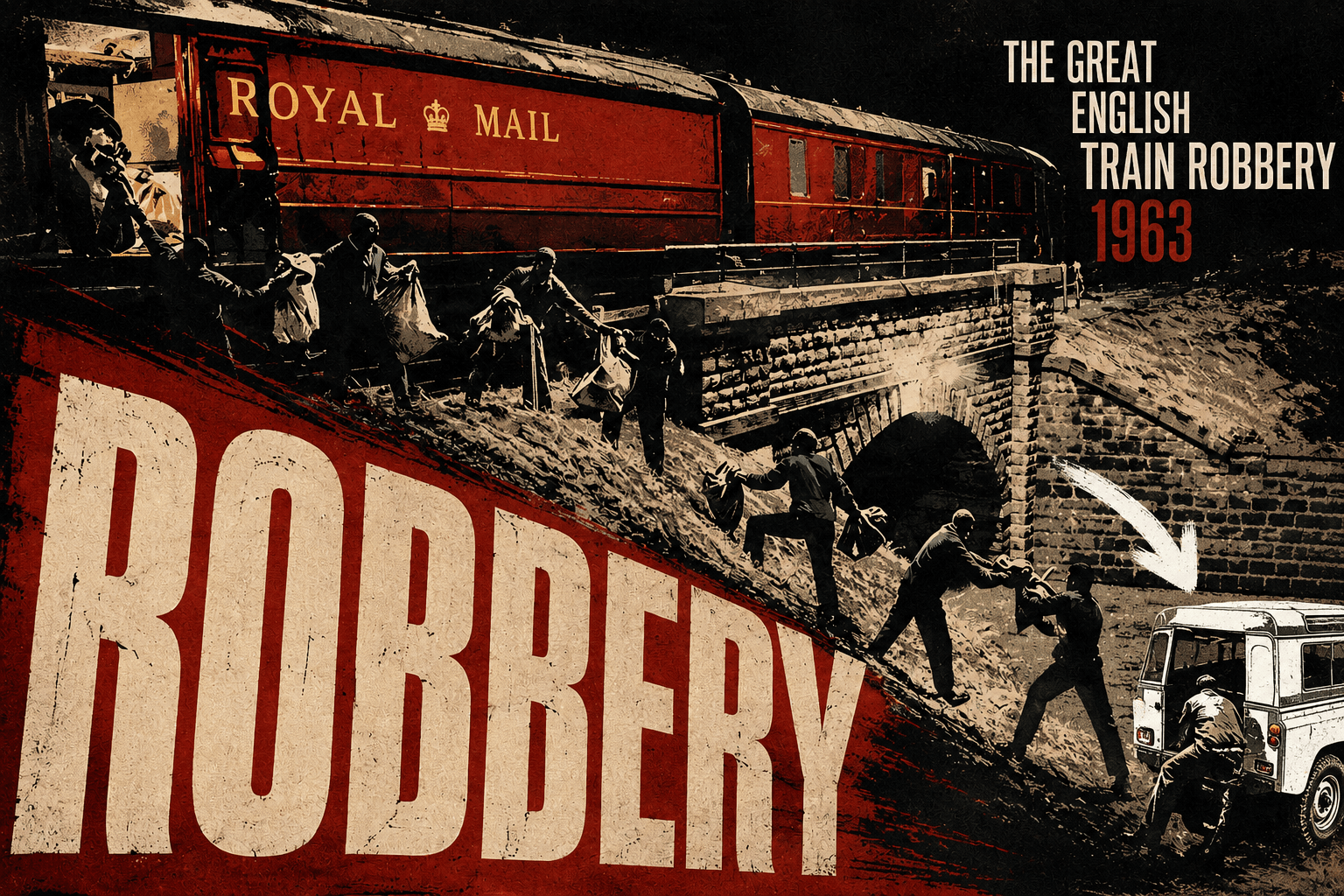
A train stopped in the dead of night.
Then thieves went to work.
They unloaded 120 sacks of cash from the train into two Land Rovers.
Then they disappeared into the night.
They had just pulled off the Great Train Robbery of 1963.
Word of the crime spread.
Soon it was international news.
So Howard Gossage decided to issue a report.
But this wasn't an official report.
Howard Gossage was an advertising man.
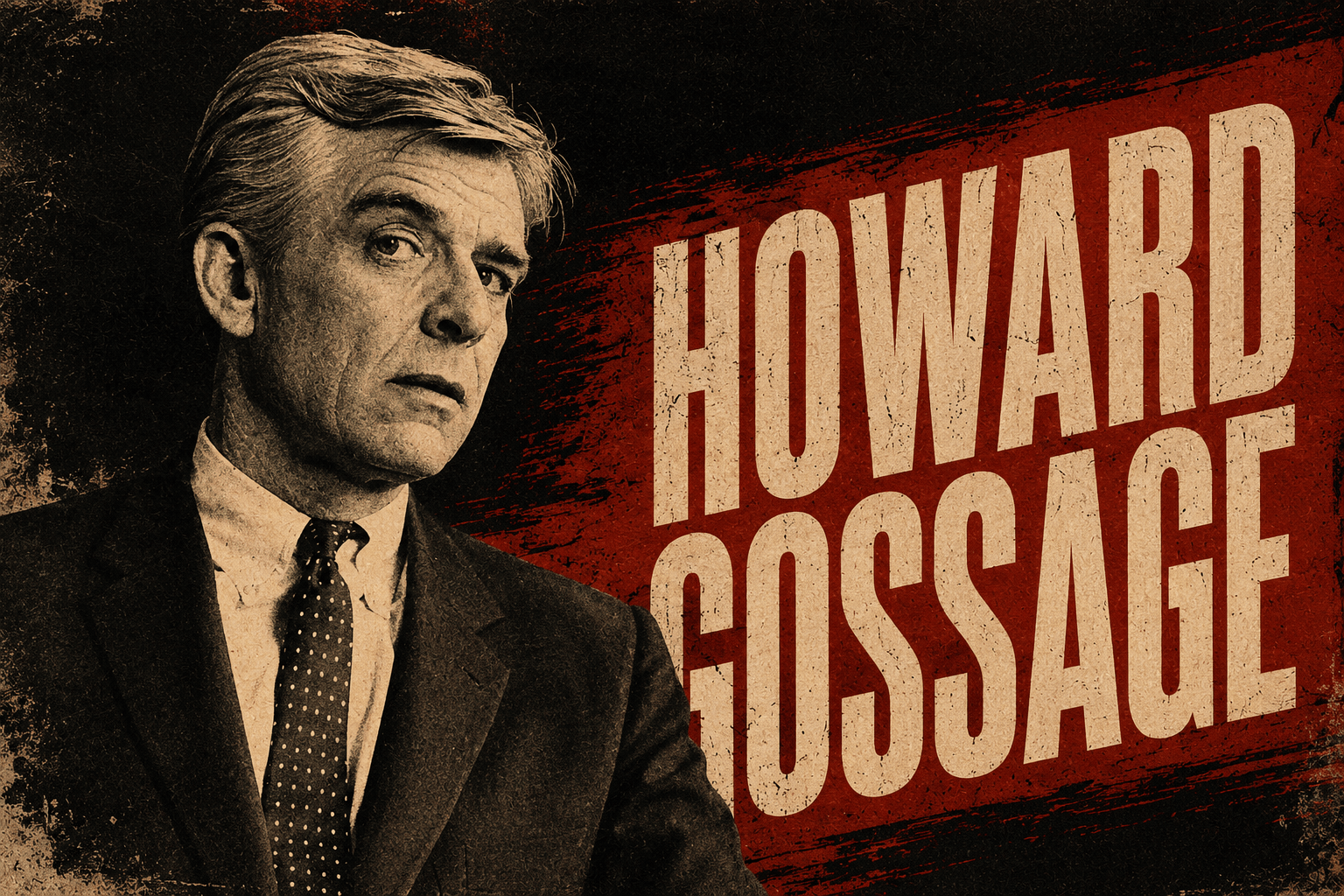
Land Rover was his client.
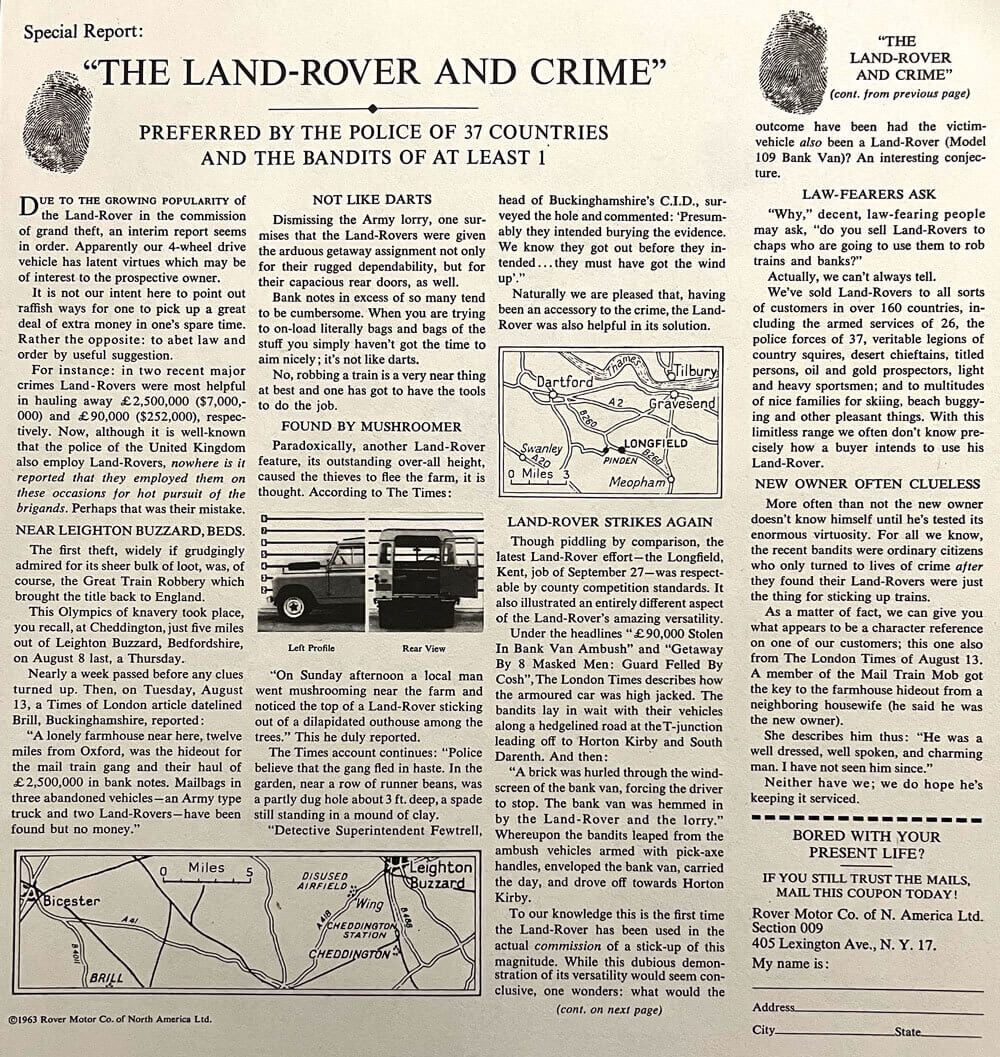
So he created a report about how Land Rovers were being used effectively in crimes because of their off-road versatility.
He suggested that the police needed to adapt and use Land Rovers to catch thieves during off-road chases.
He even speculated that since people don't truly know themselves until they have tested the Land Rover's "enormous virtuosity," the thieves may have been ordinary citizens who only turned to crime because they owned a Land Rover — which was the perfect car for sticking up trains.
The entire ad is hilarious and you can read it here.
It sold a ton of Land Rovers.
And this is what Howard Gossage did.
He engaged his audience.
He took risks.
His ad campaigns became back-and-forth conversations.
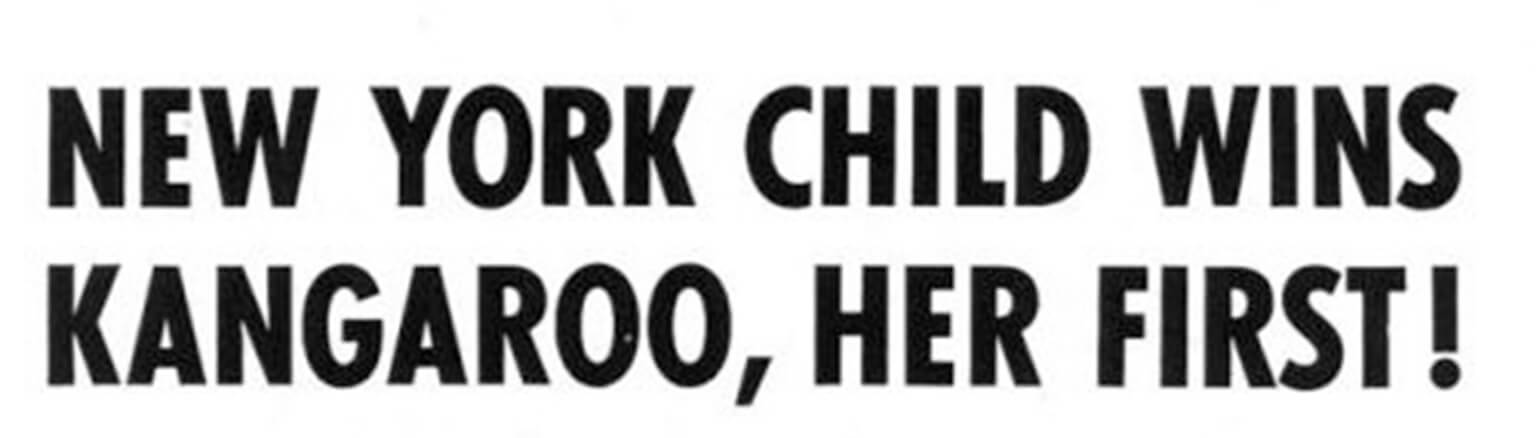
Like the time he held a contest to win a free kangaroo if you named Qantas' new jet.
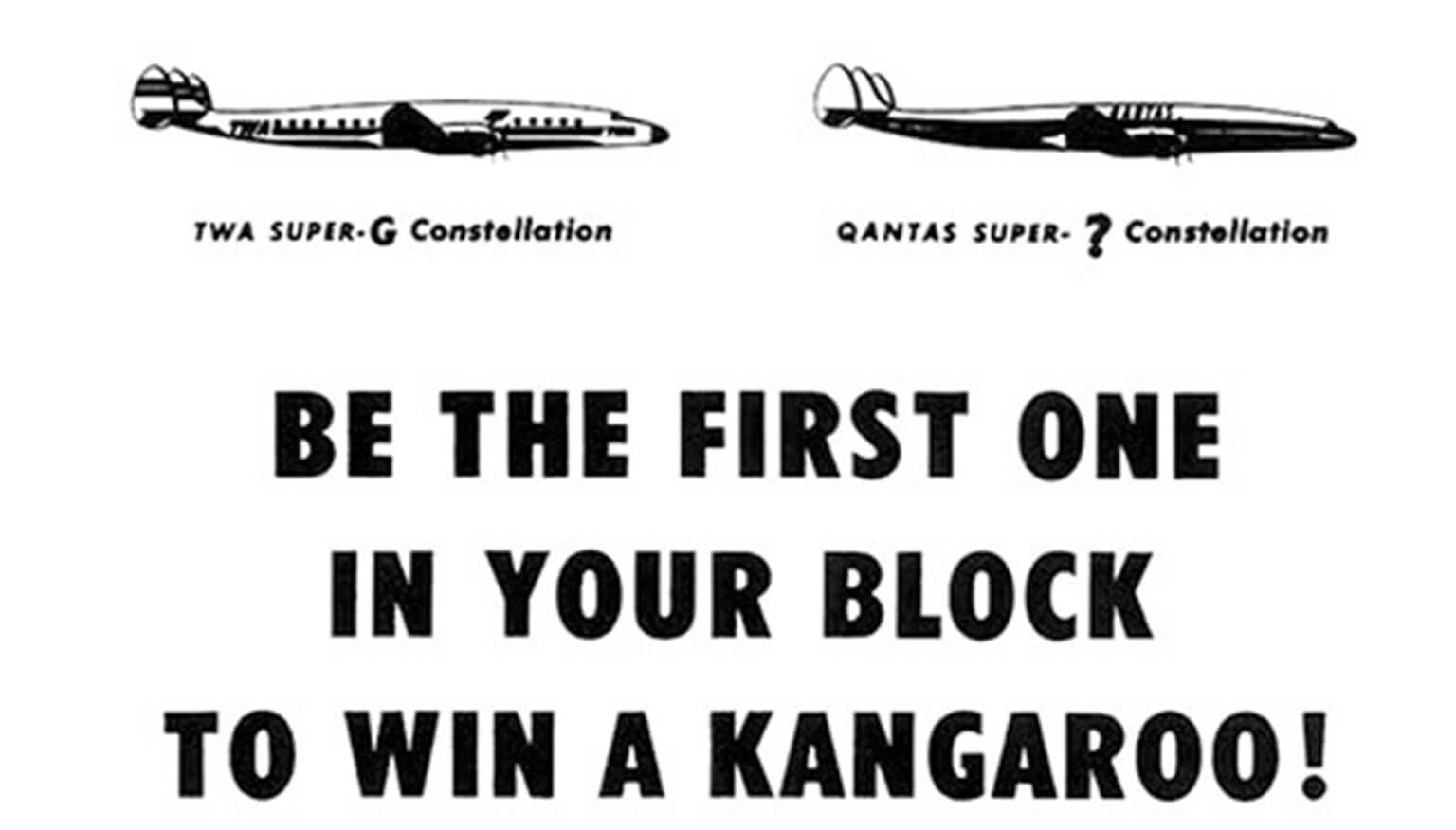
And then announced the winner of the contest in the next ad like this:
In this article we will explore Howard Gossage's ideas about marketing and review some of his best campaigns.
And you can apply these ideas to your own ads.
Lets start with the campaign that helped a small tomato paste company beat a larger competitor - by using a radio ad that everyone hated.
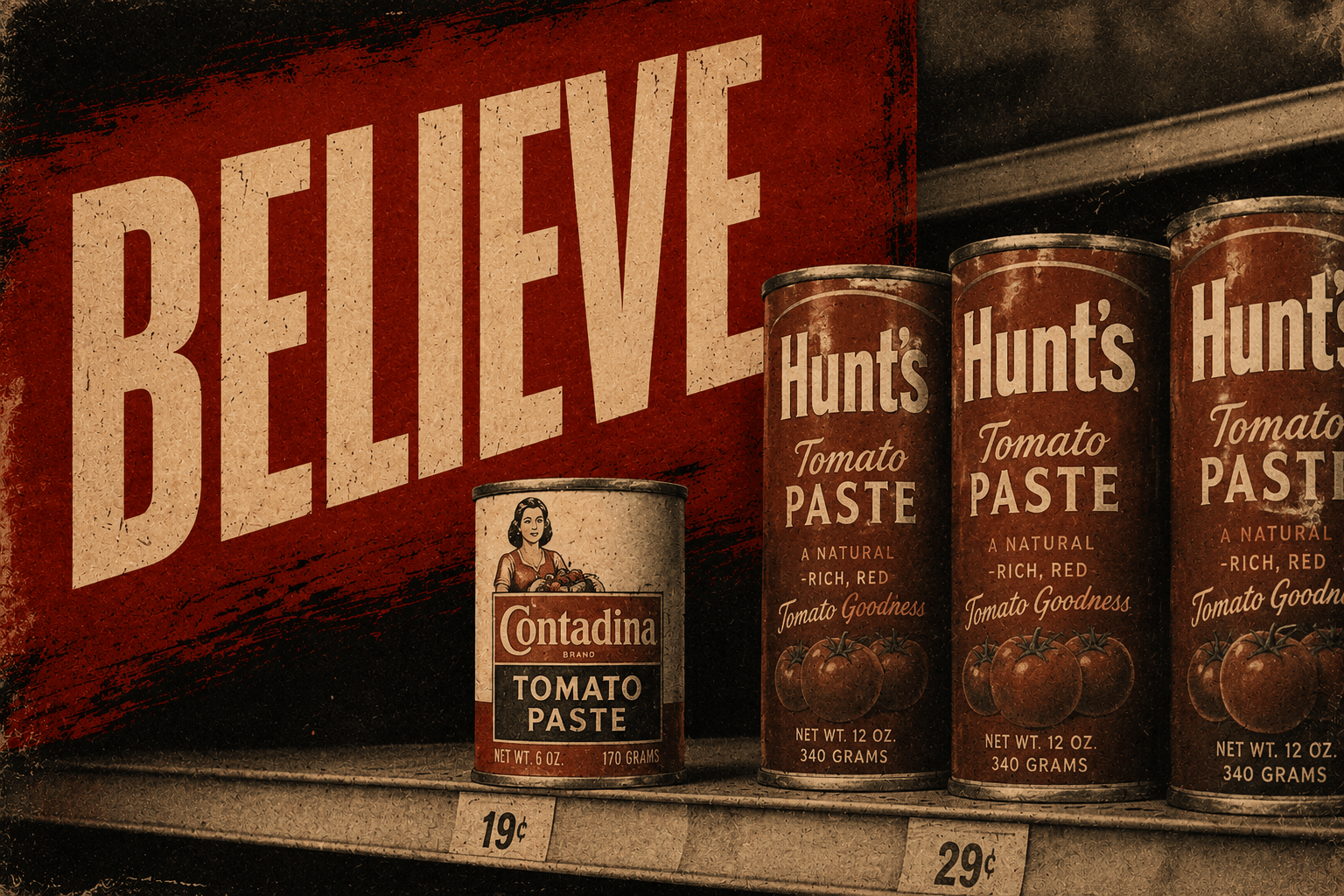
Contadina Foods made tomato paste.
And they were in big trouble.
A bigger company named Hunts had them against the ropes.
So they asked Howard Gossage to turn things around.
He said he would do it - with a catch.
He had to be free to do it "as unorthodoxly as possible."
They agreed.
So Howard got in touch with a radio comedian named Stan Freberg.
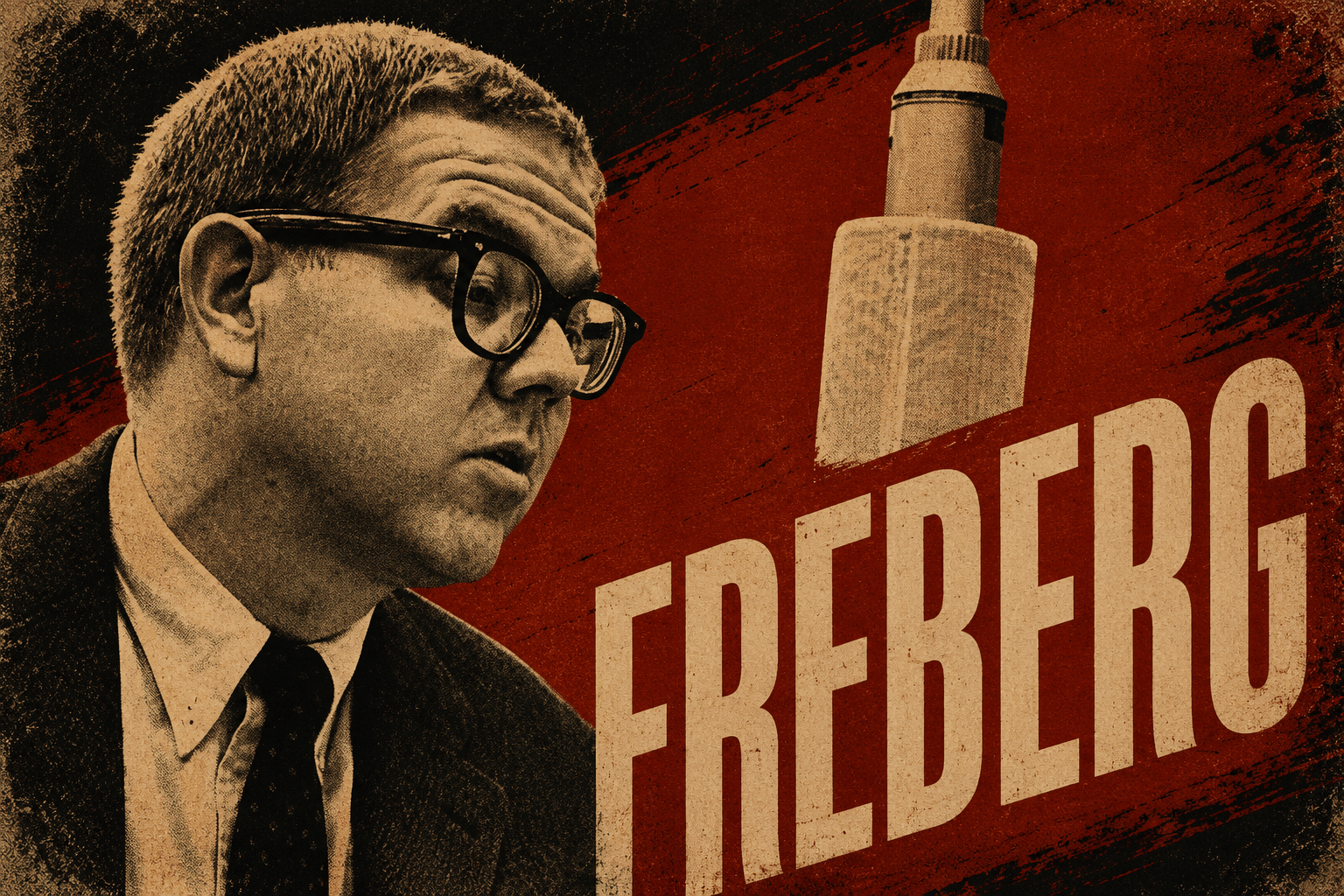
And together they came up with a radio spot.
The ad was a conversation between two men standing atop the Empire State Building.
A businessman is trying to convince a contractor to install a 300 foot tall can of Contadina tomato paste on top of the building.
The contractor is worried he'll get in trouble, since it wasn't cleared with the Empire State Building people.
The businessman plays hardball.
He tells the contractor he'll get someone else to install the huge can of tomato paste.
The contractor relucantly agrees then remembers there's a second part to the job.
The can is supposed to blink a message in morse code.
And they have different ideas about what that message should say.
Here's the actual radio ad.
Howard Gossage was a vice president at the time.
He played this ad for his boss at the marketing agency.
The boss hated it.
Then he played it for the marketing department at Contadina.
They hated it too.
Howard pressed on and played it for the two brothers that owned Contadina.
One of them hated it.
The other one chuckled and said they should play it for the sales team.
Every single person in the sales team also hated the commercial.
But Howard still convinced the brother to give it a go.
It went to air.
And it was a sensation.
DJs loved the ad so much that they would talk about it long after the commercial was over.
Contadina Tomato Paste sales exploded.
Within a couple weeks, Hunts cut their prices two times and started giving away cases so they wouldn't lose shelf space.
The ad is so good because it draws the audience into a story.
And the success of this campaign led Howard to starting his own marketing agency.
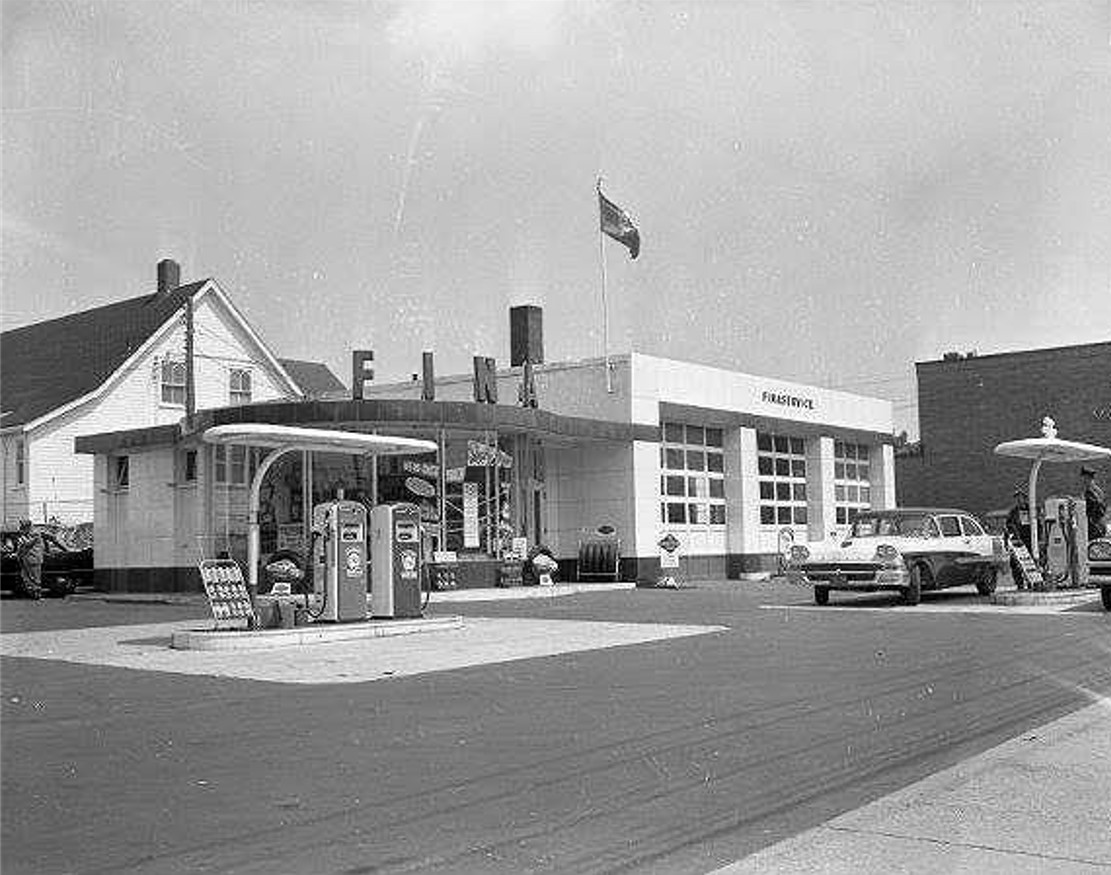
Fina Oil was one of Howard Gossage's first clients.
They owned gas stations all over Texas.
When developing a marketing campaign, Howard Gossage liked to start with the client.
He wanted to see the business and its challenges through the owner's eyes.
And the owner of Fina Oil was a no-nonsense guy.
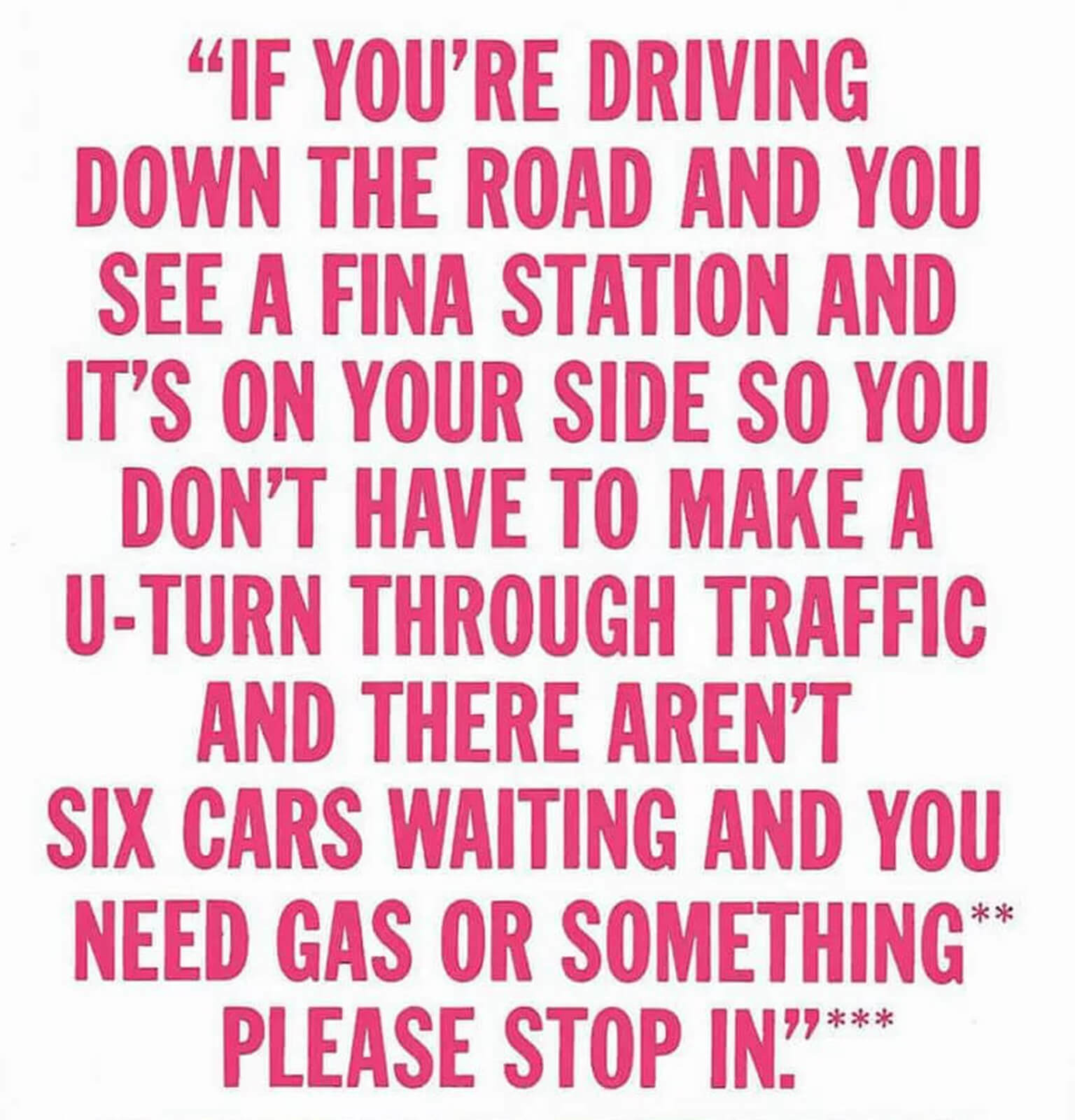
After talking to him, Howard Gossage made his first advertisement.
It was a verbatum quote from the Fina owner when he described the gas station business to Howard.
The ad was a hit.
But his next ad was better.
In the 1960s, oil companies were experimenting with additives in their gasoline.
So Howard Gossage decided to invent an additive.
But his additive wasn't for gasoline.
It was for tire air.
And the only thing he could think to add to air was color.
He chose pink.
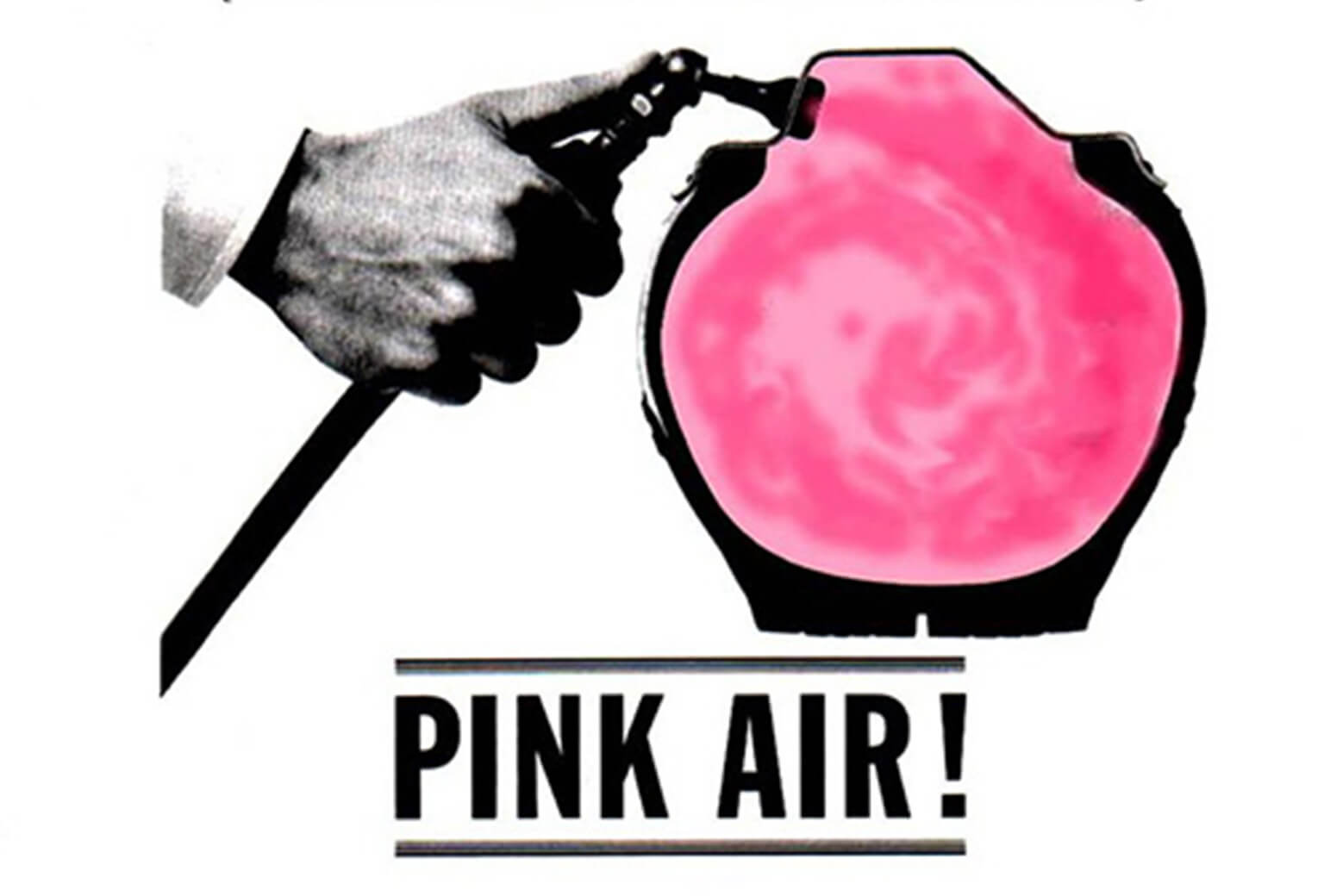
When the owner of Fina first saw the ad he yelled:
"Good Lord!"
Howard wasn't sure if that was good or bad.
So he asked him if he wanted to run it.
The owner said:
"Sure I want to run it."
Howard asked him why.
The owner thought for a second and replied:
"Beats me."
This reaction was exactly what Howard Gossage aimed for.

Howard had a philosophy about the "shape of an idea."
To be successful in advertising, you need people to accept your ideas.
Imagine the person you are marketing to as a dot at the center of a circle.
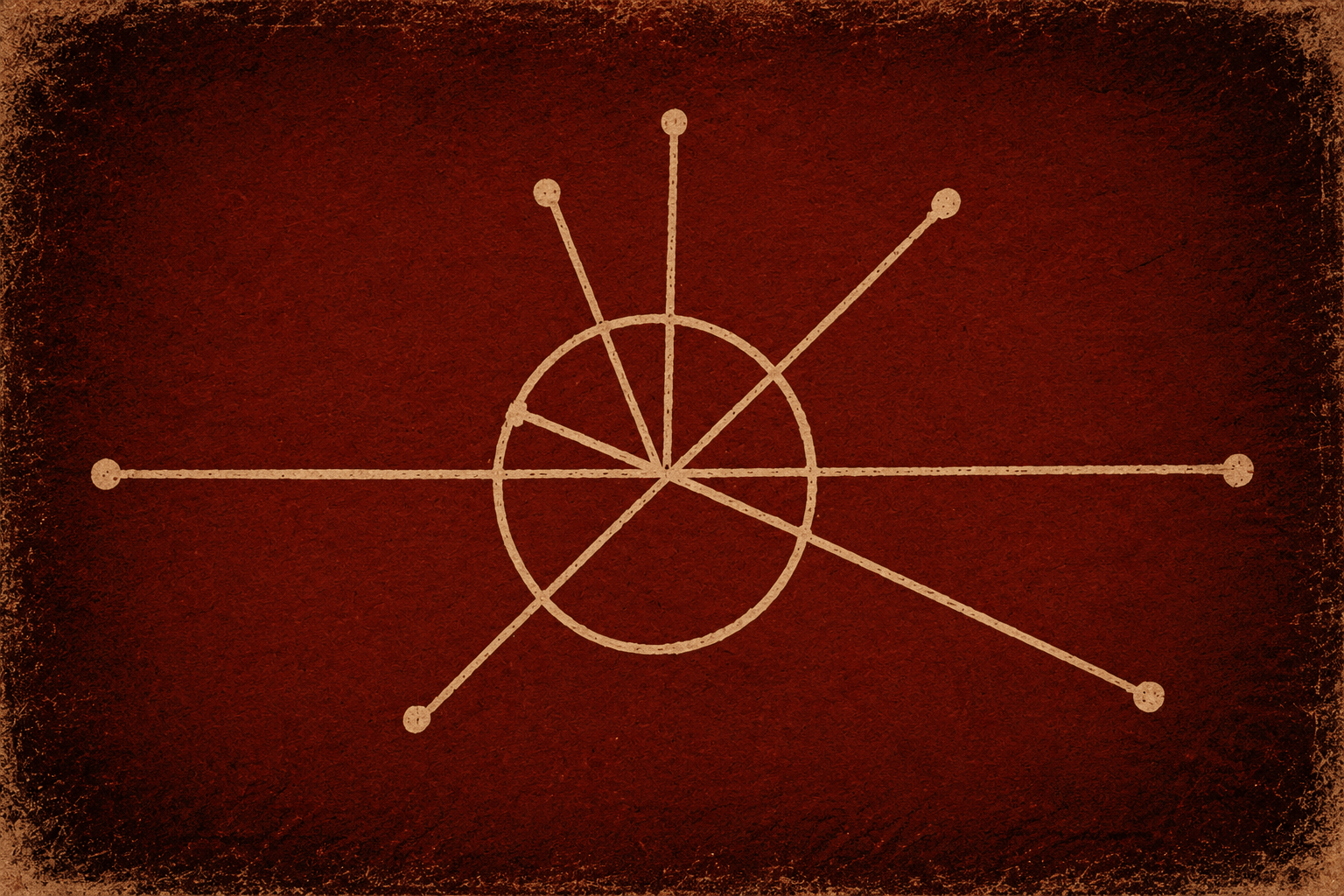
The circle around the dot represents his comprehension.
Anything within the perimeter of the circle, he is capable of understanding.
Anything outside the circle, he doesn't understand.
Ideas close to the center are familiar and can be criticized.
Ideas that are inside the circle, but near the outer edges, can't be criticized.
The person doesn't know enough about it to poke holes.
These ideas are simply accepted.
And that was why Pink Air worked.
It was an idea near the edge of comprehension.
It didn't invite criticism.
The ad was so successful that Fina Oil was able to halve its marketing spend and keep sales booming.
Then Howard moved on to shirts.
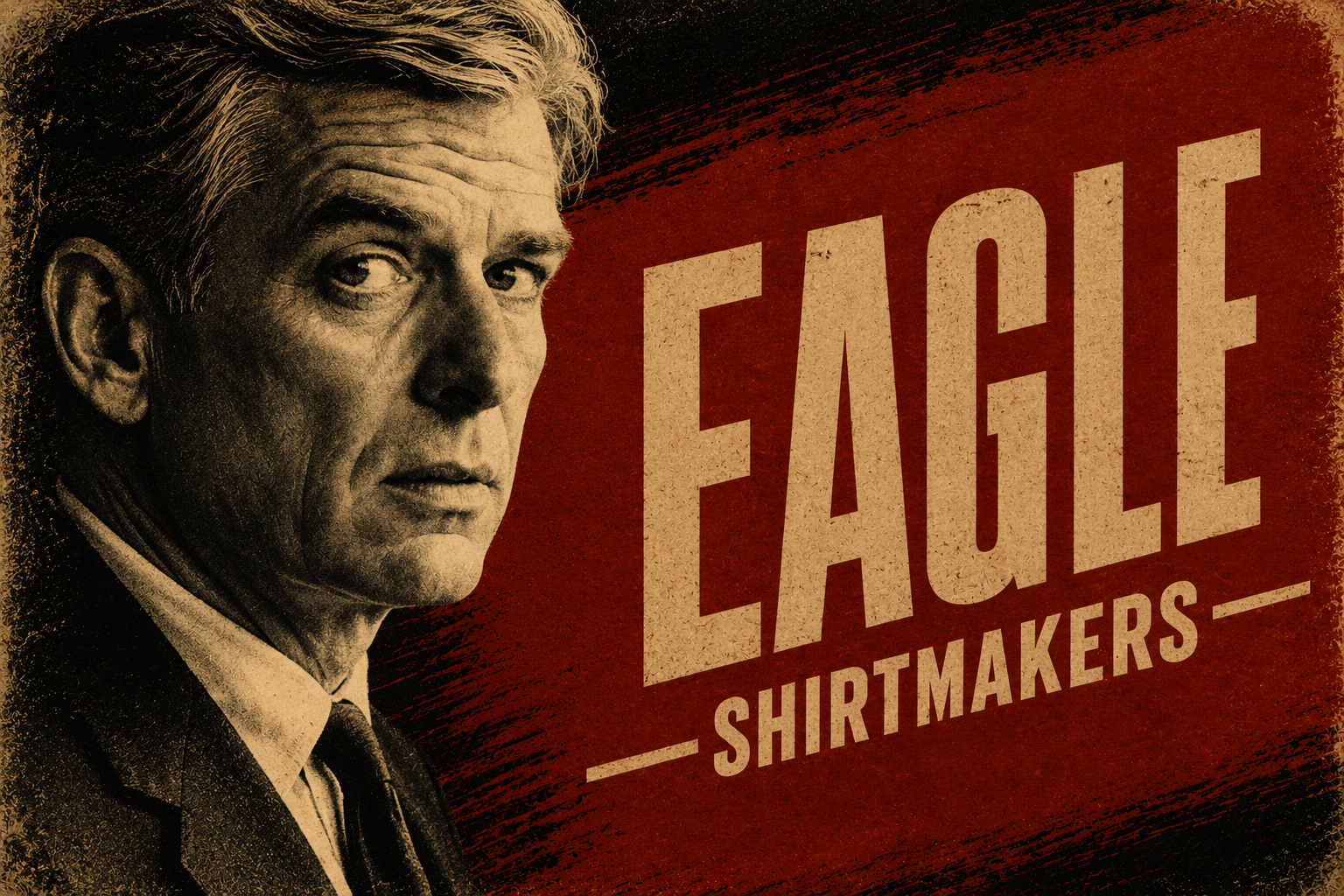
Howard Gossage said people don't read ads.
They read what interests them — and sometimes it's an ad.
Howard believed that an advertisement is the beginning of an interesting conversation.
When he made an ad, he hoped the reader would respond.
If he didn't get a response, he would assume one.
Then in the next ad he would amplify his original message or say something new.
Eagle Shirtmakers was a company that made dress shirts for men in the 1960's.
Most department stores bought shirts from Eagle and then affixed their own labels on them.
Many people owned Eagle shirts, but they didn't know it.
The owner of Eagle wanted to change that.
So he hired Howard Gossage, and they came up with an ad where a salesman for Eagle Shirtmakers claimed that no one could launder a shirt as well as Eagle.
And he wanted to prove it.
So he offers the reader an option to send in a shirt, and he will send it back to them perfectly clean- and he'll add an Eagle Shirtmakers pin.
Howard ran the ad and over 7,000 people sent in their shirt.
Then he ramped it up.
He made an ad with a picture of an Eagle dress shirt and asked the reader:
"Is this your shirt?"
And if it was your shirt, you could write in for a free Eagle Shirtmakers pin.
Since Eagle shirts were sold under many brand names, a lot of people would own that shirt.
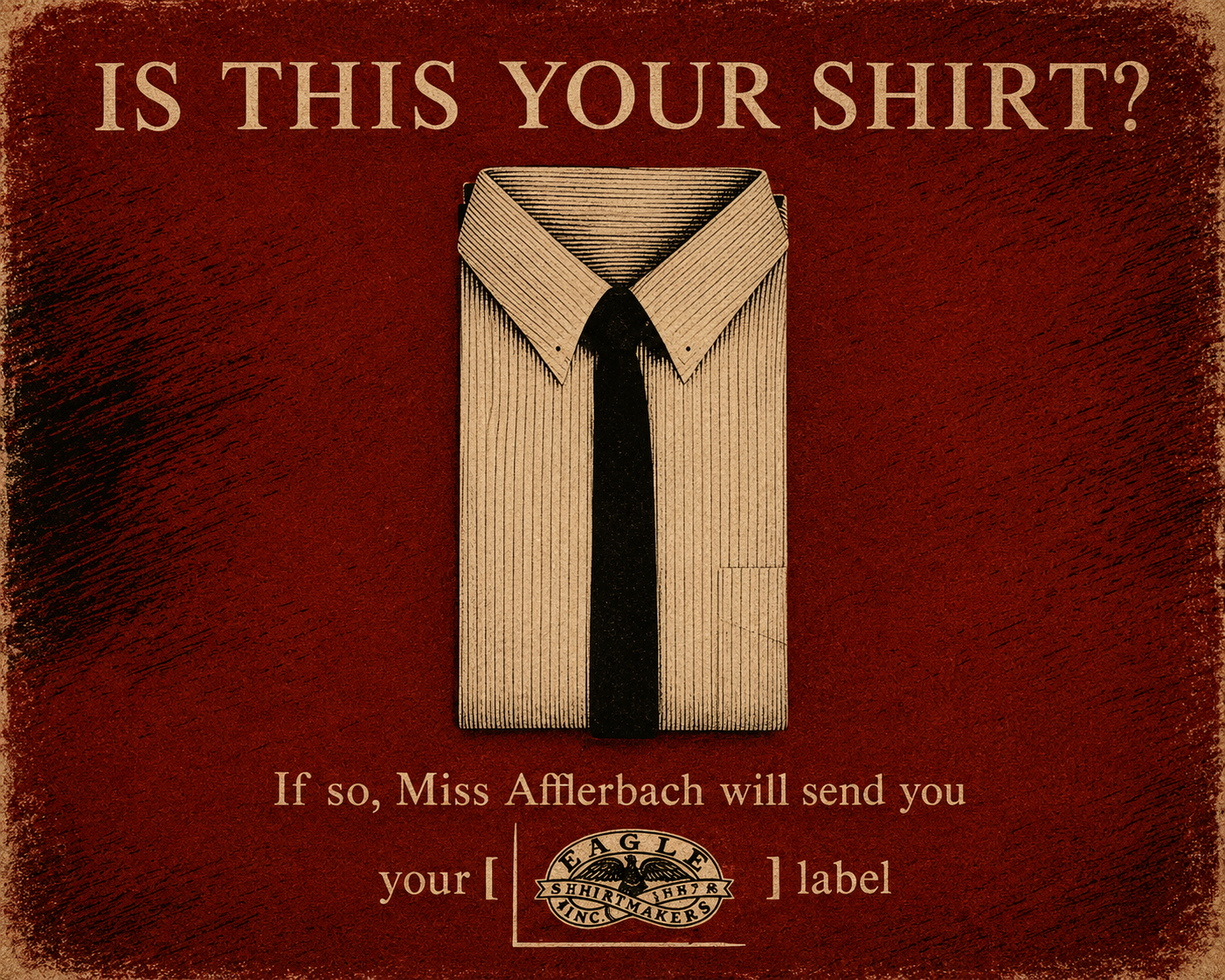
A ton of readers wrote in because they realized they owned an Eagle shirt, and they wanted to be involved.
And when people are involved, you don't have to pound them relentlessly to become familiar.
If they want to be part of your conversation, you can get more for less.
And lots of people wanted to be part of the conversation when Howard Gossage invented the Shirtkercheif.
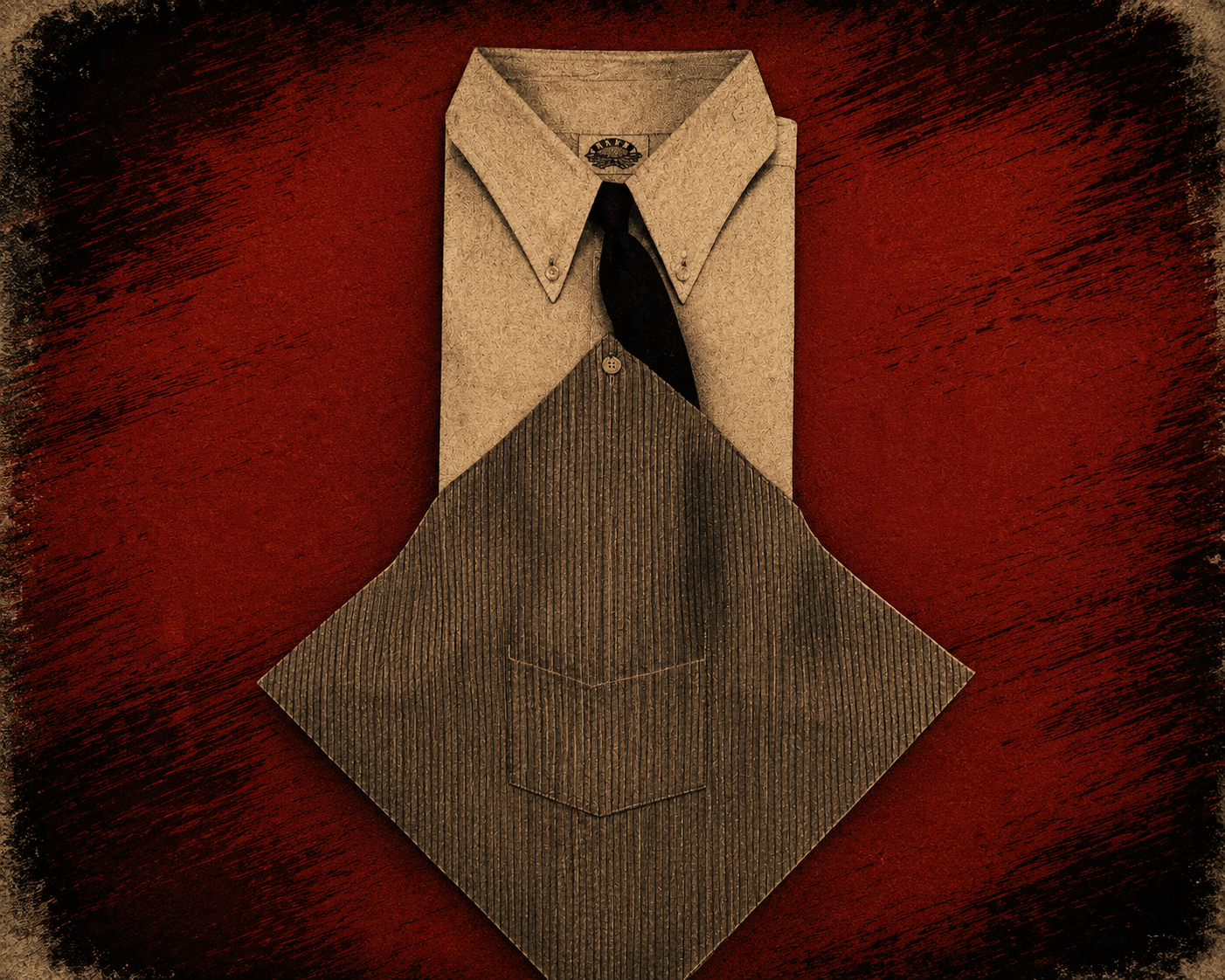
When this ad ran, over 11,000 people wrote in to get a shirtkerchief.
There is a rule of thumb in advertising that for every 100 people that think about responding, only 1 actually writes in.
Using this math, 1,112,858 people considered writing in to Eagle Shirtmakers to get a shirtkerchief.
And by creating and continuing an interesting conversation through a series of ads, Howard Gossage doubled the sales for Eagle Shirtmakers.
Then he developed a theory.

Picture a farmer with 5,000 acres to plant.
And the company that sends him seeds just made a huge mistake.
They were supposed to send him corn seeds.
But they sent hollyhock seeds instead.
And there's no time to fix it before planting season is over.
The farmer has a dilimmma on his hands.
Does he plant nothing and lose a full season?
Or does he try planting the hollyhock seeds.
If we start at this point, no matter what the farmer decides, the story is interesting.
He might plant the hollyhock seeds and go on to become a world class supplier of hollyhock flowers.
If he doesn't plant them, how does he survive the winter?
This is Howard Gossage's "five thousand acres of hollyhocks" theory.
Howard believed that if you start off with a ridiculous assumption, and then back it up with strict logic, it naturally evolves into an interesting story.
All you have to do is follow what happens next and report back to your audience.
And this is what Howard did with John Stahl.
John Stahl was a 79 year old retired postman.
He walked into Howard Gossage's office and said he wanted to walk from San Francisco to Seattle and arrive on his 80th birthday.
He asked if Howard's client Ranier Beer would sponsor him.
Howard said yes, but he wanted to make the adventure more involving.
So he decided to turn John Stahl into Coach Stahl.
And Coach Stahl was going to recruit three people to walk with him to Seattle.
The first ad looked like this:
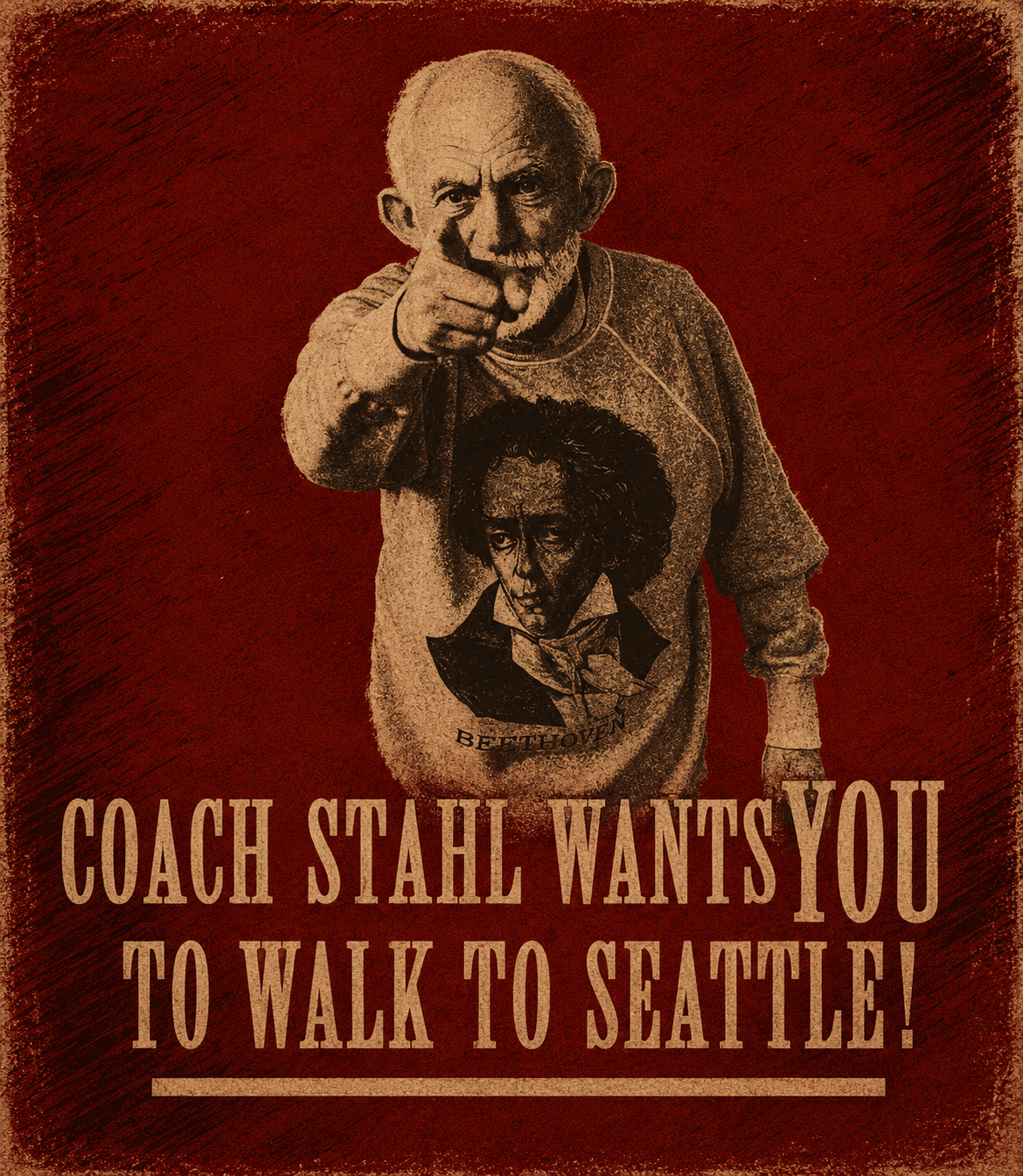
Over 700 people applied.
Of the many applicants, Howard selected a scottish bagpiper, a 60 year old millionaire, and a world traveler.
This was Coach Stahl's team.
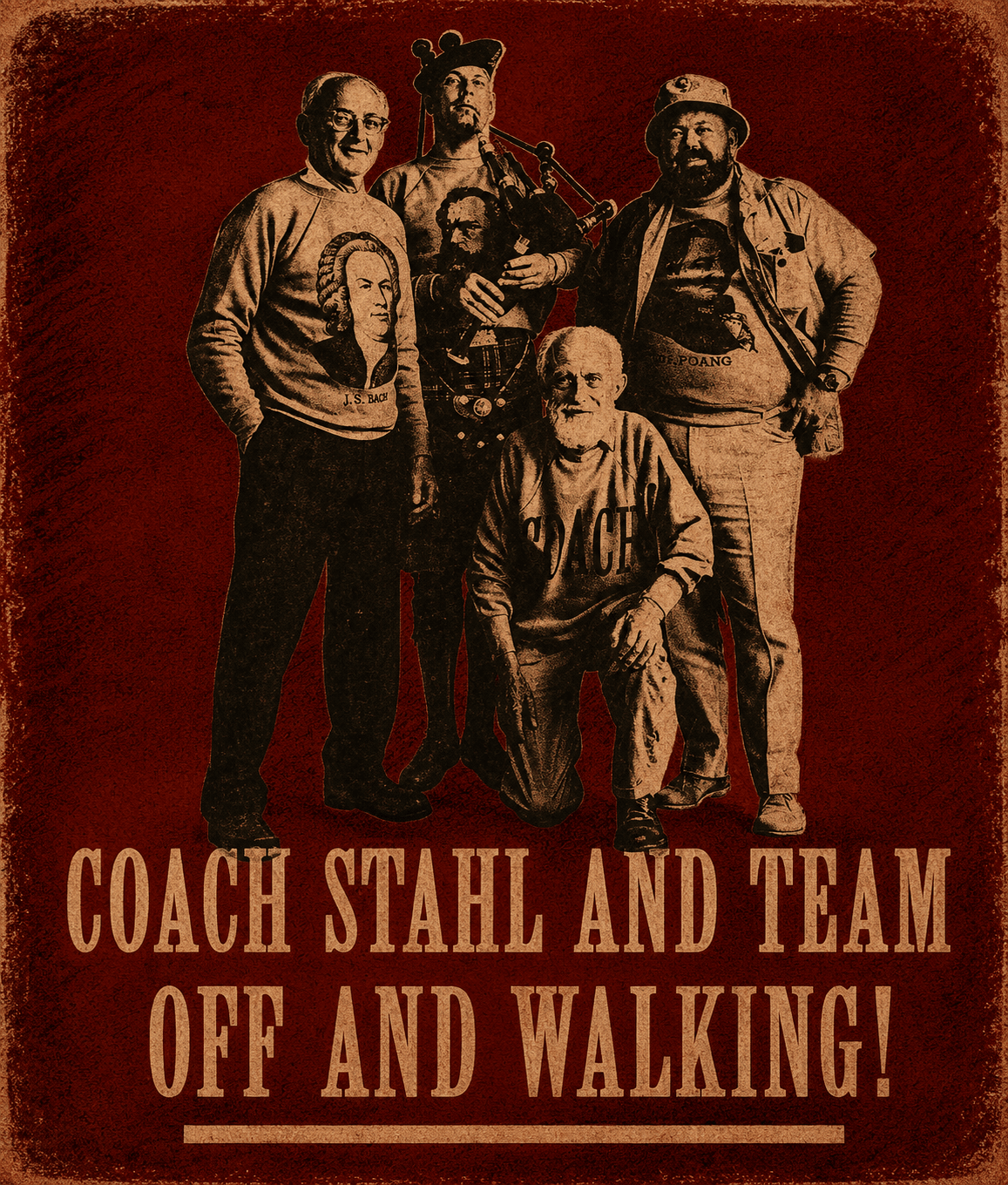
As soon as the team started walking, Howard sent updates about their oddysey to reporters up and down the coast.
And the audience loved it.
Newspapers wrote front page stories.
Radio DJs provided continuous updates to their listeners.
And they all mentioned Rainier Beer.
It was a massive hit.
This campaign was a masterful example of Howard Gossage's "five thousand acres of hollyhocks" theory.
And when you make successful campaigns out of ads people hate, invent pink air, and come up with theories, people start asking you about creativity.
Howard Gossage believed that creativity comes just in the nick of time.
The longer you have to mull over an idea, the less creative that idea will become.
And the more people involved in an idea, the less creative it would be.
He explained creativity like this:
Imagine you're outside on a freezing cold day.
Your ears start to hurt.
So you find a store and buy earmuffs.
To Howard Gossage, that was a creative purchase.
You solved a problem in the nick of time, and you get to keep your ears.
And in the advertising world, Howard always managed to stay creative and keep his ears.
And you can keep your ears, grow your business, and make more effective ads if you apply the lessons that marketing giant Howard Gossage left us.
If you need to get your message to customers inboxes, check out PostRabbit.
Enjoy Stories Like This?
If you like stories about marketers like Howard Gossage and how their work and theories can make you a better marketer, sign up for our email list.
Try PostRabbit
Get better email delivery for less with campaign-based email marketing, or use our transactional email API.
Get Started