Advertising That Actually Sells
Improve your marketing with ad legend David Ogilvy.
Politics in Ancient Greece was nasty business.
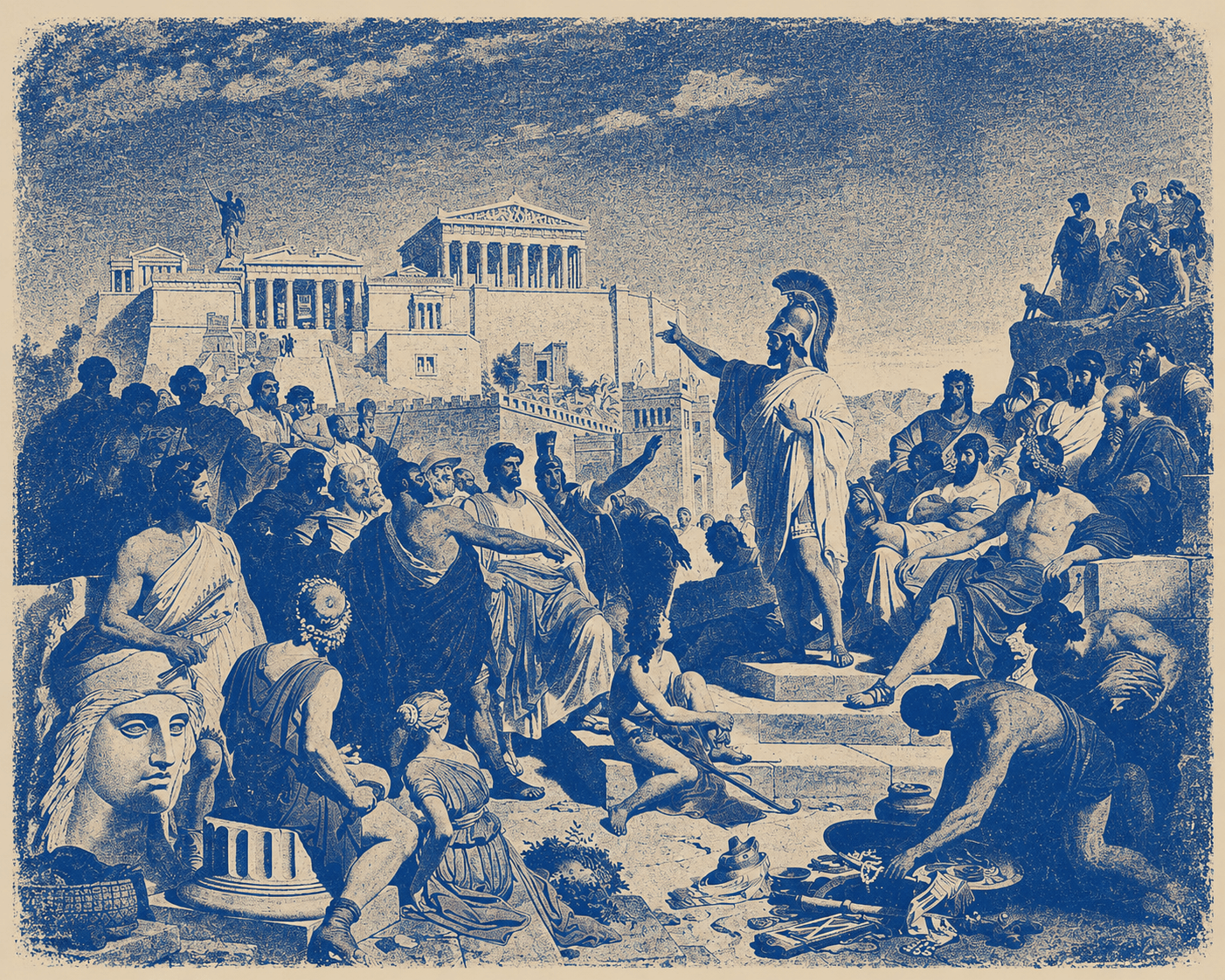
If you wanted to take out a rival, you filed a lawsuit.
And the lawsuits were like rap battles.
You attacked your opponents character, and made slanderous claims to see what would stick.
Orators that were good at these attacks were in high demand.
And none more than Demosthenes and Aschines.
Demosthenes was a small and feeble man.
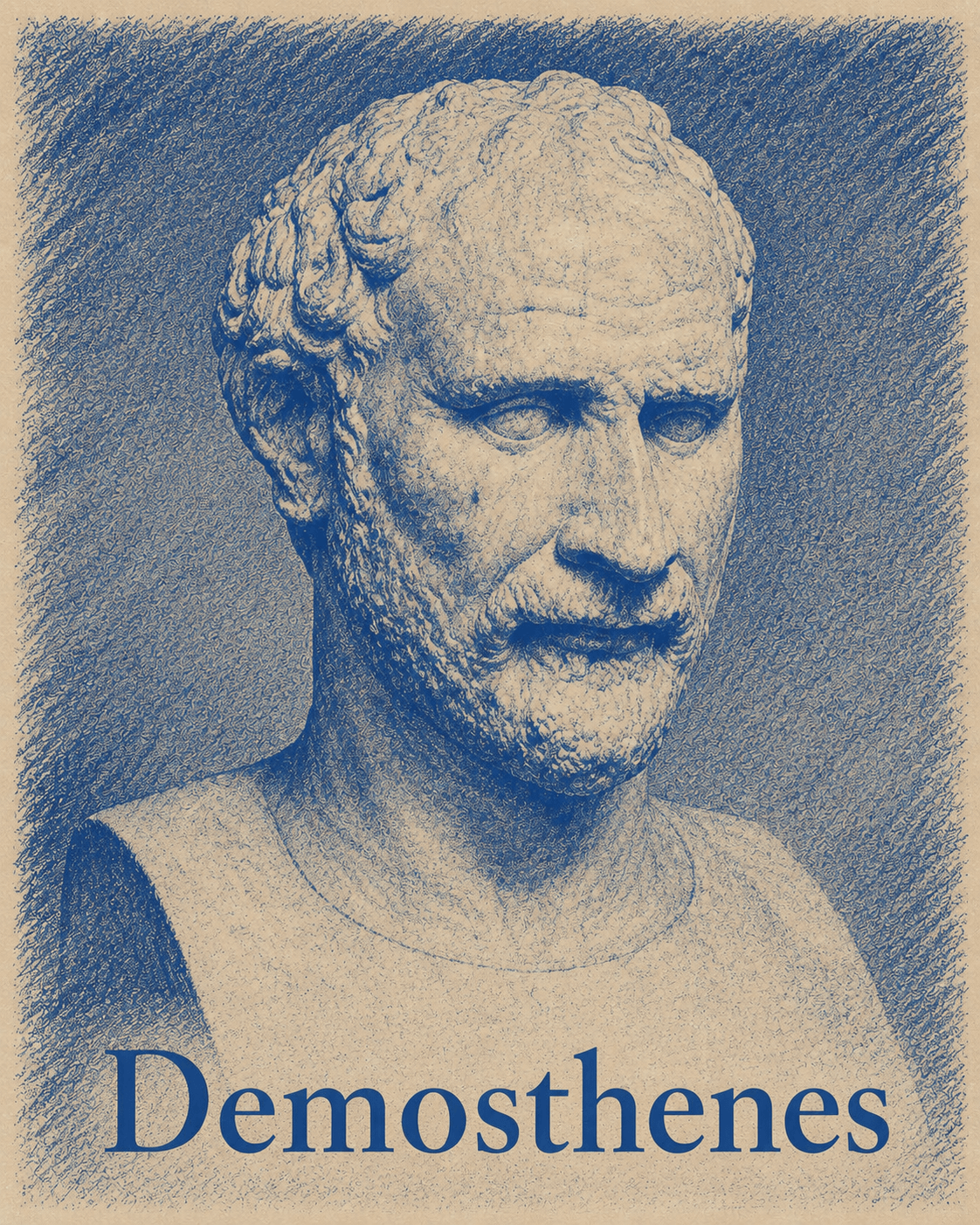
Born with a severe speech impediment, he worked relentlessly to overcome his flaws.
He build a room under his house to practice public speaking.
Then he shaved half his head so he couldn't go out in public - forcing himself to practice every waking hour.
Once his hair grew back, he went down to the forum to practice his speeches publicly.
He would wait until someone else started speaking and compete with them for the audience's attention.
Over time, he became a prominent lawyer, speech writer, and eventually a politician.
That is when he met his rival Aeschines.
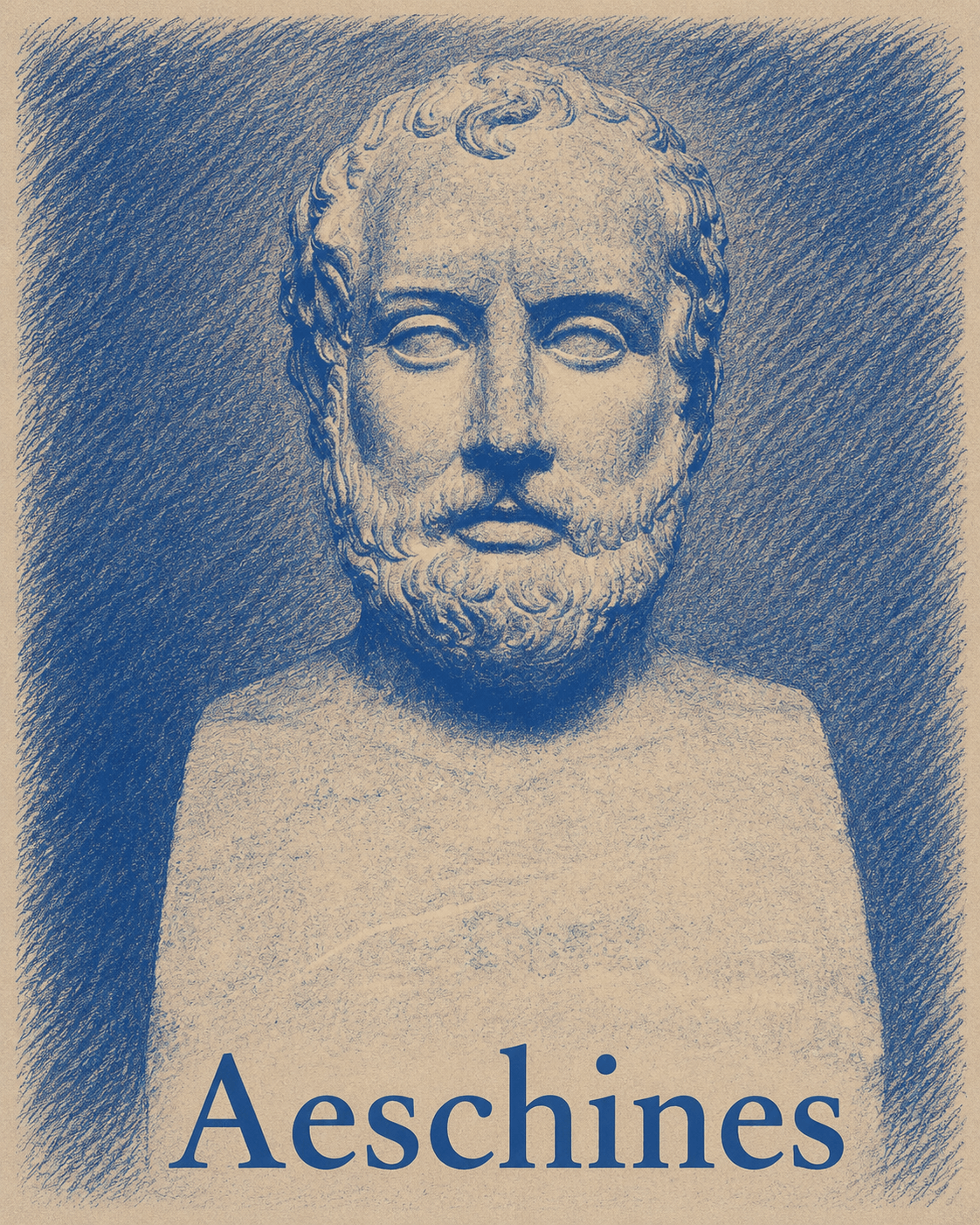
Aeschines was already a renowned speaker with significant political influence in Greece.
When Phillip of Macedon started conquering Greek states, these two orators found themselves on opposite sides of the issue.
Aeschines wanted to submit to Philip and avoid a battle.
Demosthenes thought the only way to guarantee Athen’s freedom was to fight Phillip.
They engaged in lawsuits and tried to tear each other down.
After a cutthroat battle in court, Demothenes won his countrymen’s hearts and convinced Greece to oppose Phillip.
And this is why advertising legend David Ogilvy said he wanted his advertisements to be like Demonthenes speeches.
Ogilvy wrote that when Aeschines spoke, they said it sounded pretty.
When Demosthenes spoke, the people marched against Phillip.
And David Ogilvy wanted his ads to inspire action.
He wanted to make the cash register ring.
In this article we’ll explore the advertising ideas of the legend David Ogilvy, and how you can use his advice to create better ads.
For David Ogilvy, the first step to creating a great advertisement is doing your homework.
When Rolls Royce hired him for a campaign, he asked Rolls Royce to send him everything ever written about their new car.
He poured over manuals, engine specs, and talked with the engineers.
And then he found his headline.
In a review from a test driver, he found the quote that said "at 60 miles per hour the loudest noise comes from the electric clock."
David Ogilvy would take that line and create one of the most iconic ads in history.
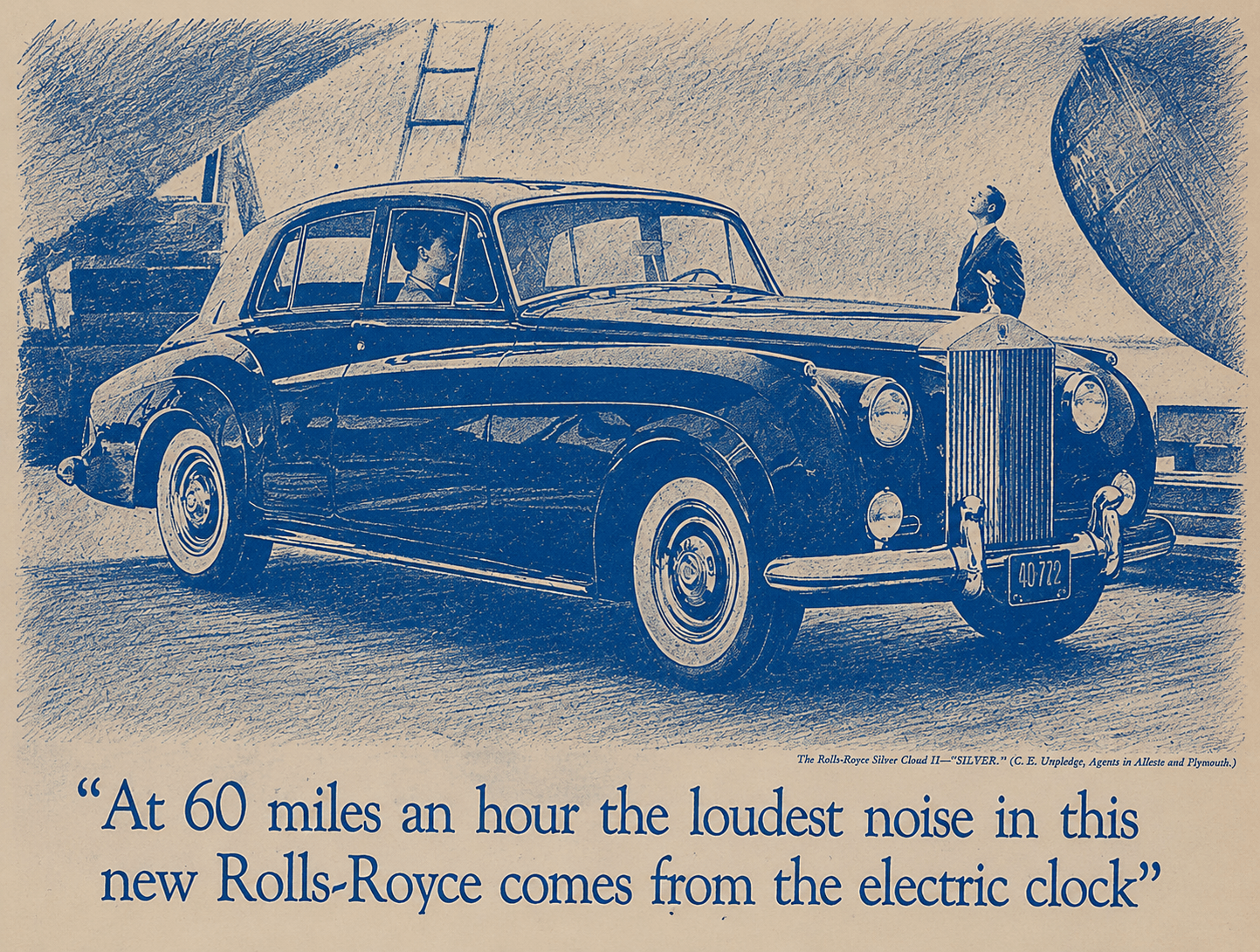
The ad ran in 1959 and performed spectaularly well.
Rolls Royce sold so many cars and the waiting list to buy one got so long that they had to pull the ad.
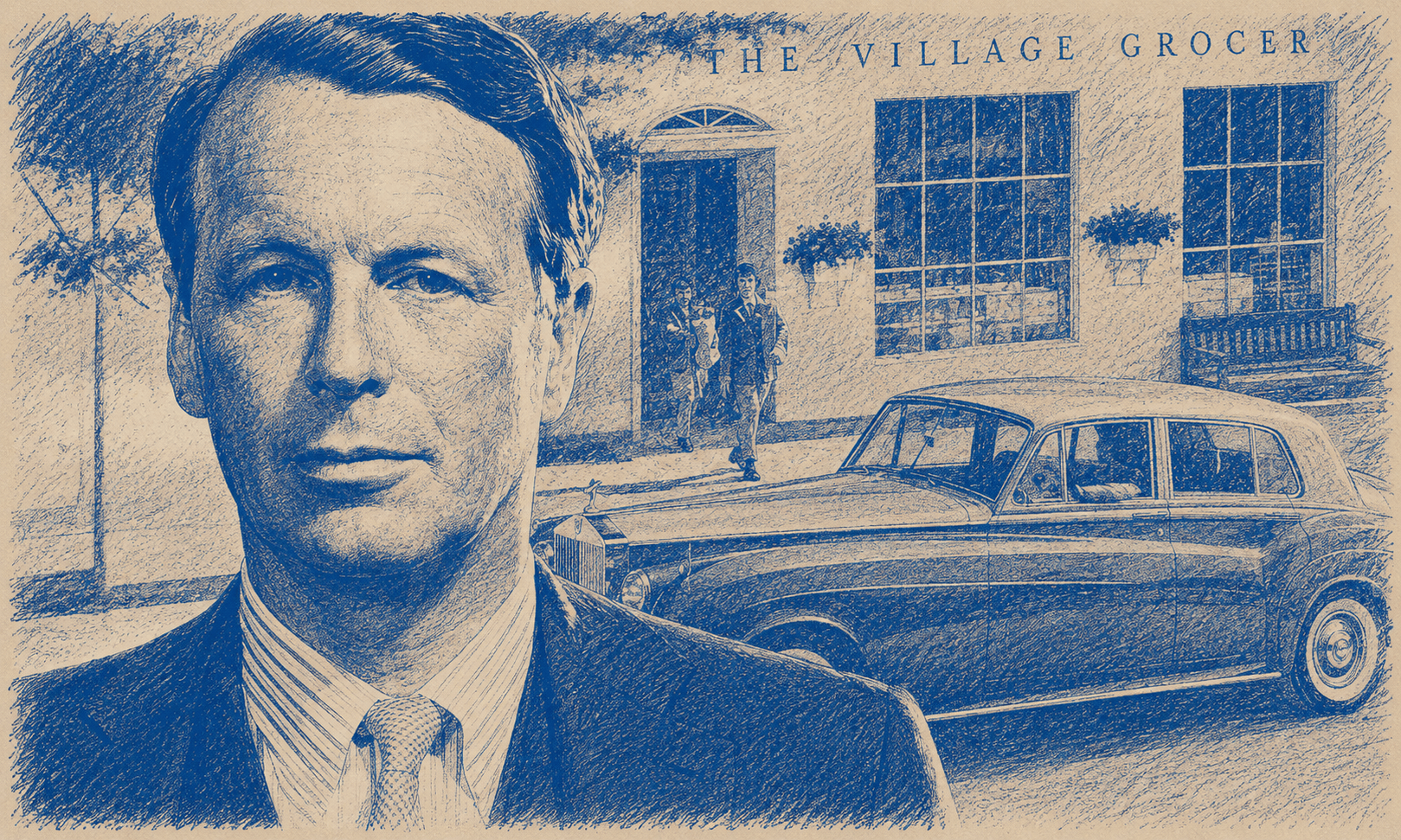
David Ogilvy believed you have to learn everything about the product you're marketing.
When he got an account with Mercedes Benz, he sent a team to Germany to spend three weeks interviewing the engineers that designed the car.
From that research, he created an ad that more than doubled Mercedes sales.
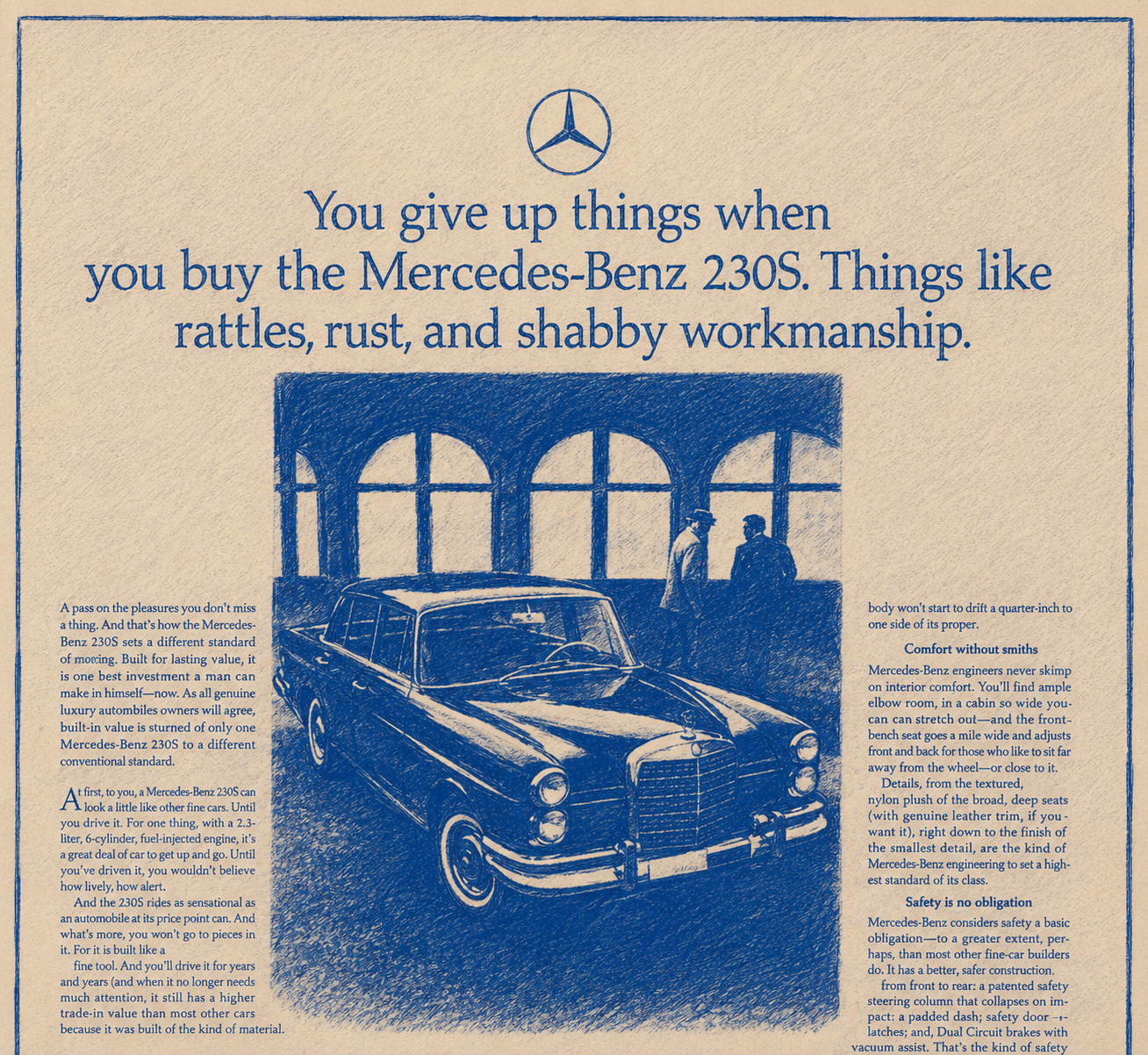
Then Shell Oil came to David Ogilvy to reverse a 7 year slide in market share.
He did his homework.
Ogilvy learned that gasoline had several ingredients and one of them was called Platformate.
Platformate increased mileage.
He used that to create an ad that completely turned things around for Shell.
Product research was so important to Ogilvy that he thought any ad created without doing it would be an ad that sat on the slippery slope of irrelevant brilliance.
But after you do your research on a product, you have to position it.
And David Ogilvy was good at that.
POSITIONING A PRODUCT
Not everyone agrees on what positioning a product means.
Ogilvy believed that positioning means that you define what a product does and who it is for.
Take Dove Soap for example.
They came to David Ogilvy to figure out how to position their soap in a crowded market.
Ogilvy could have positioned Dove as a soap for manly men who needed to clean their hands after a long day of work.
But he didn’t.
Instead he positioned Dove as a soap that helps women with dry skin.
It was a soap that “creams your skin while you bathe.”
And that positioning has stood the test of time.
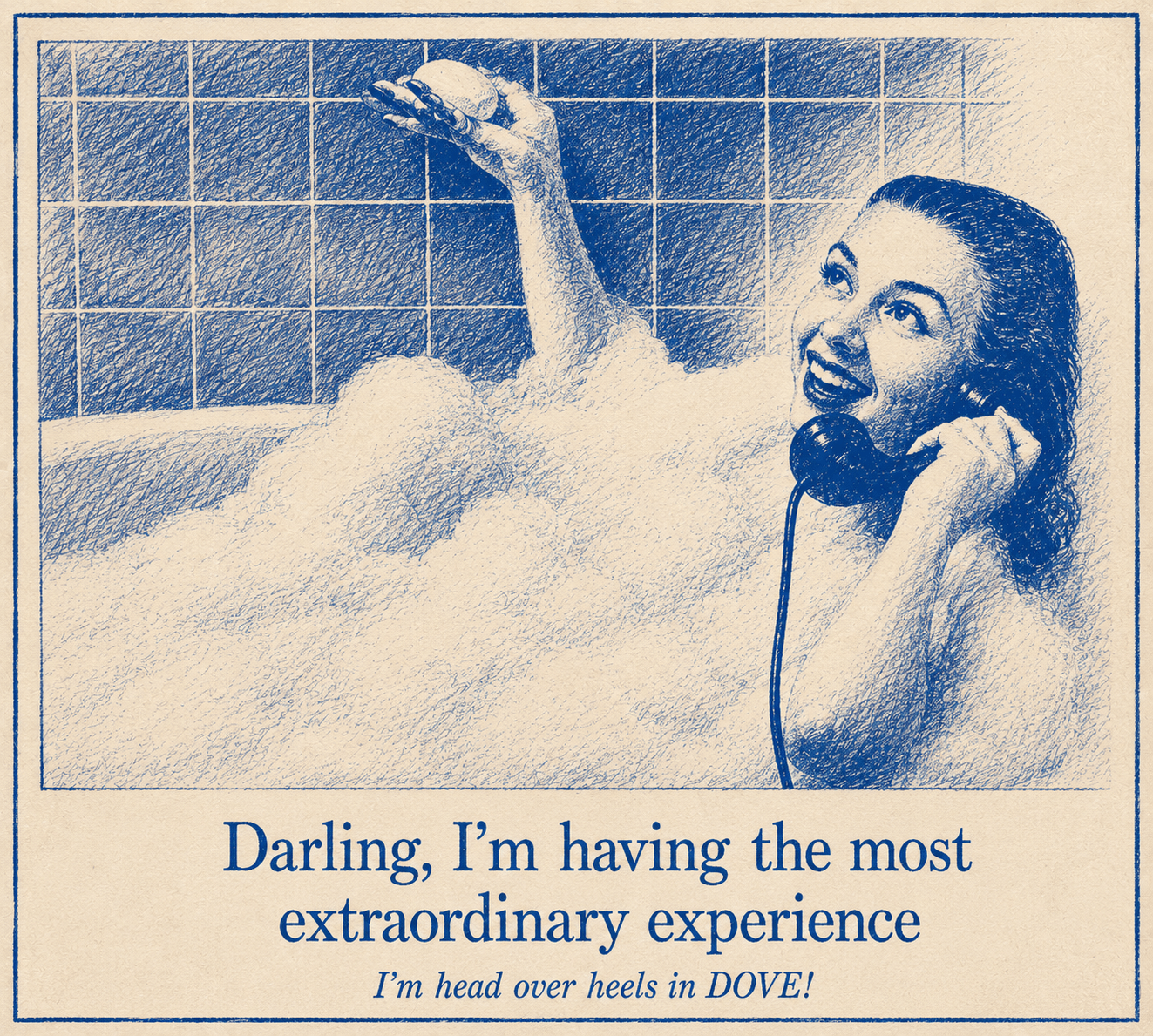
SAAB Automotive also benefited from David Ogilvy’s skill at positioning a product.
They entered the market in Norway where no one had heard of SAAB.
David Ogilvy positioned SAAB as a car that was made for winter.
After a few years of running Ogilvy’s ads, Norwegians voted SAAB as the hands down best car for winter.
And our final example of how to effectively position a product is the Volkswagen Bug.
With its small size and odd shape, consumers didn’t know what to make of it.
So David Ogilvy positioned the Bug as a symbol of counter culture for those Americans that wanted avoid conspicuous consumption.
And it worked.
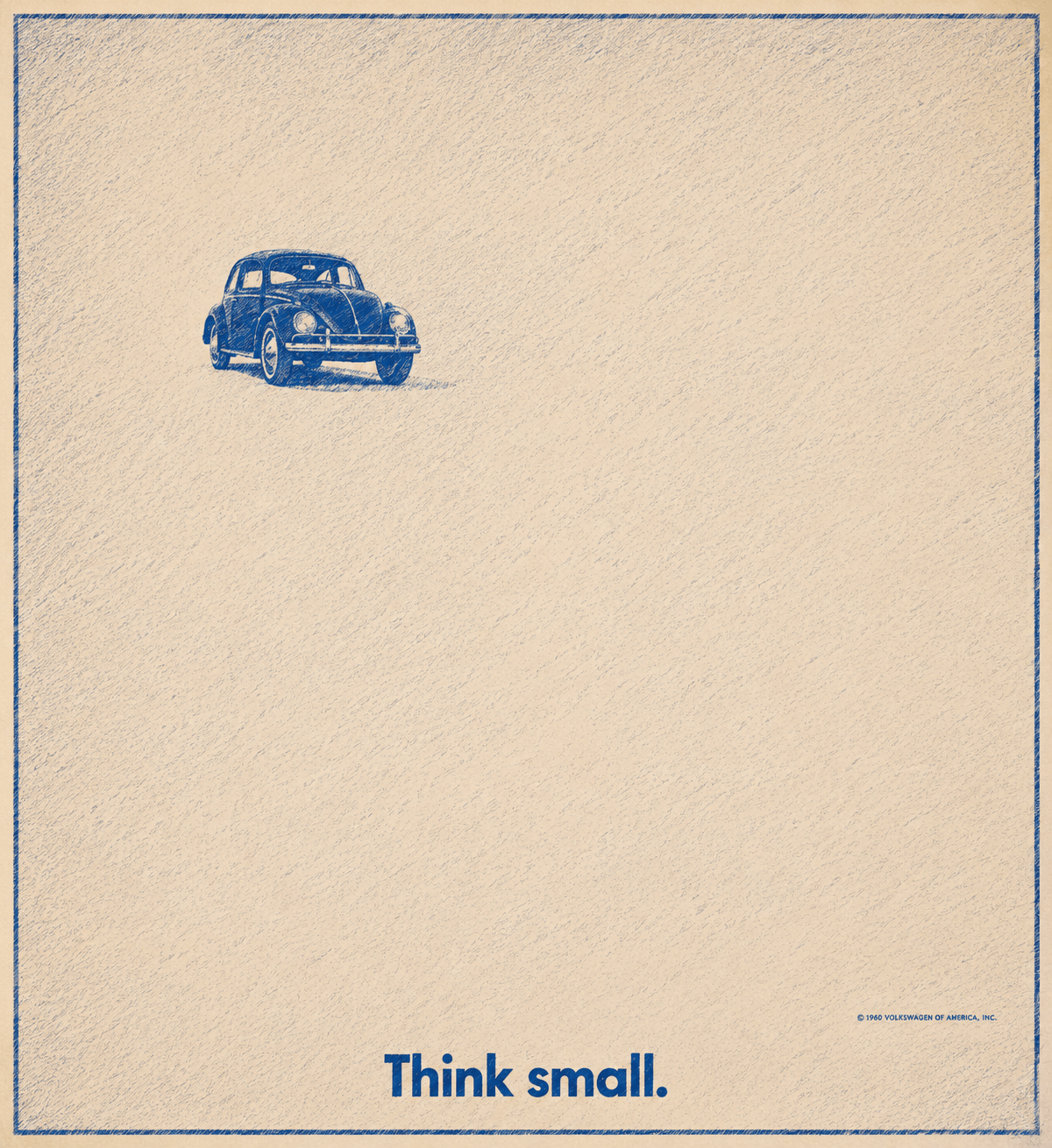
By defining what a product does and who specifically it is for, David Ogilvy was able to turn unknown brands into household names.
And after he positioned a product, he would then turn his attention to creating a brand image.
CREATING BRAND IMAGE
Products have a personality - just like people.
And that personality can make or break a product in the market.
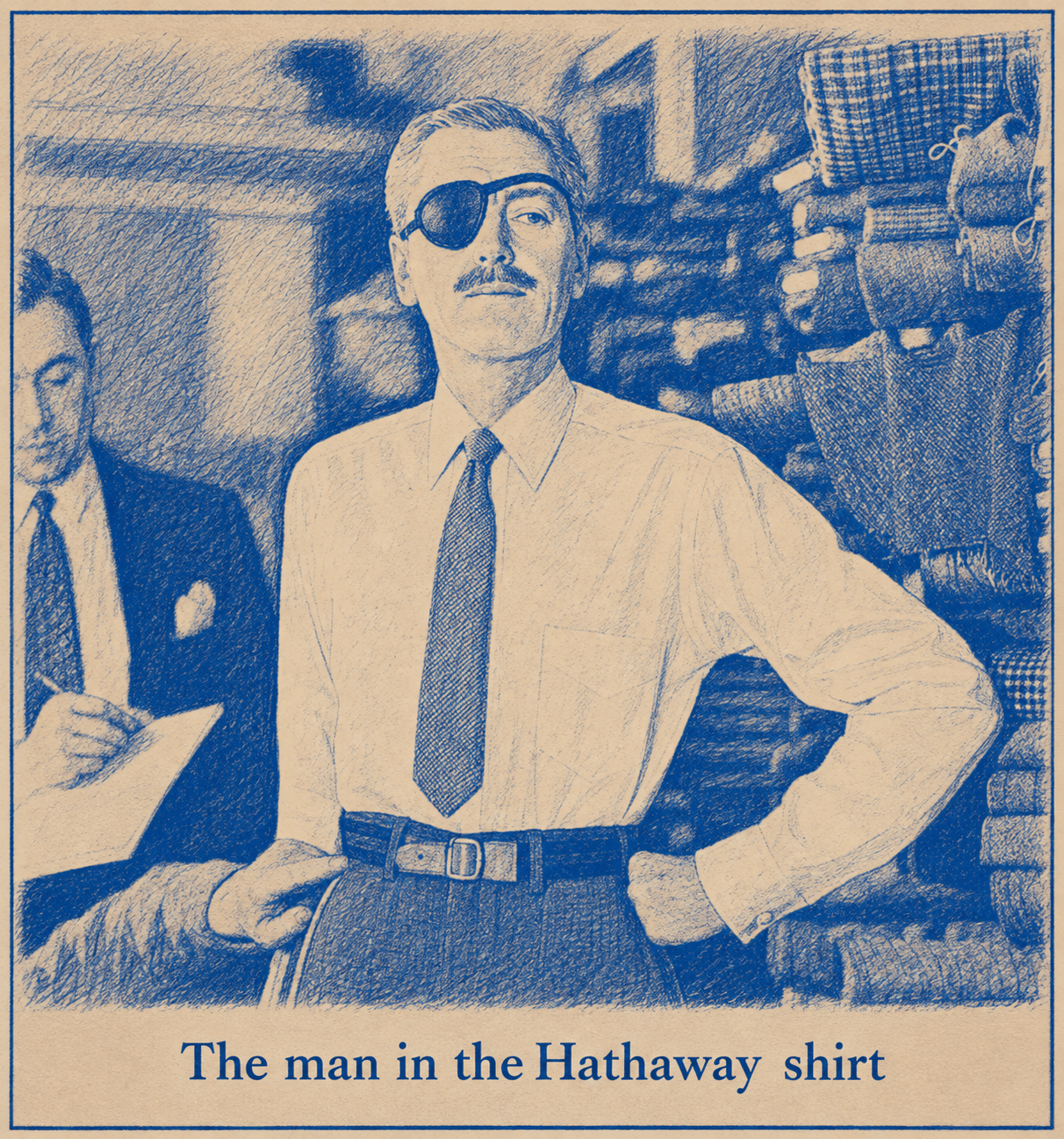
Researchers at the University of California did a study.
They gave distilled water to a group of students and asked them to describe the taste.
They all said it didn't have a taste.
Then they gave the water to a second set of students, but they told them it was tap water.
The second group said the water was disgusting.
The brand image of tap water was that it had chlorine in it and it tasted nasty.
And the students were tasting the brand image.
Brand image is a products personality.
It is built from a combination of the product's name, price, style of advertising, and the product itself.
The goal of advertising is to build and maintain your product's brand image.
The brand image should be kept consistent year after year.
And almost every product needs a brand image of quality - especially products that your friends can see you using.
There were two products that David Ogilvy thought nailed brand image perfectly.
The first is Jack Daniels Whiskey.
Jack Daniels was able to create an aura of homespun honesty with its label and advertising campaigns.
And that advertising combined with the high cost made people feel like it had to be worth the premium price.
The second product that nailed brand image was Marlboro.
Marlboro was a small, obscure cigarette brand.
Then a marketer named Leo Burnett got his shot to redefine Marlboro's brand image.
He created the Marlboro Cowboy campaign that appealed to smokers all over the world.
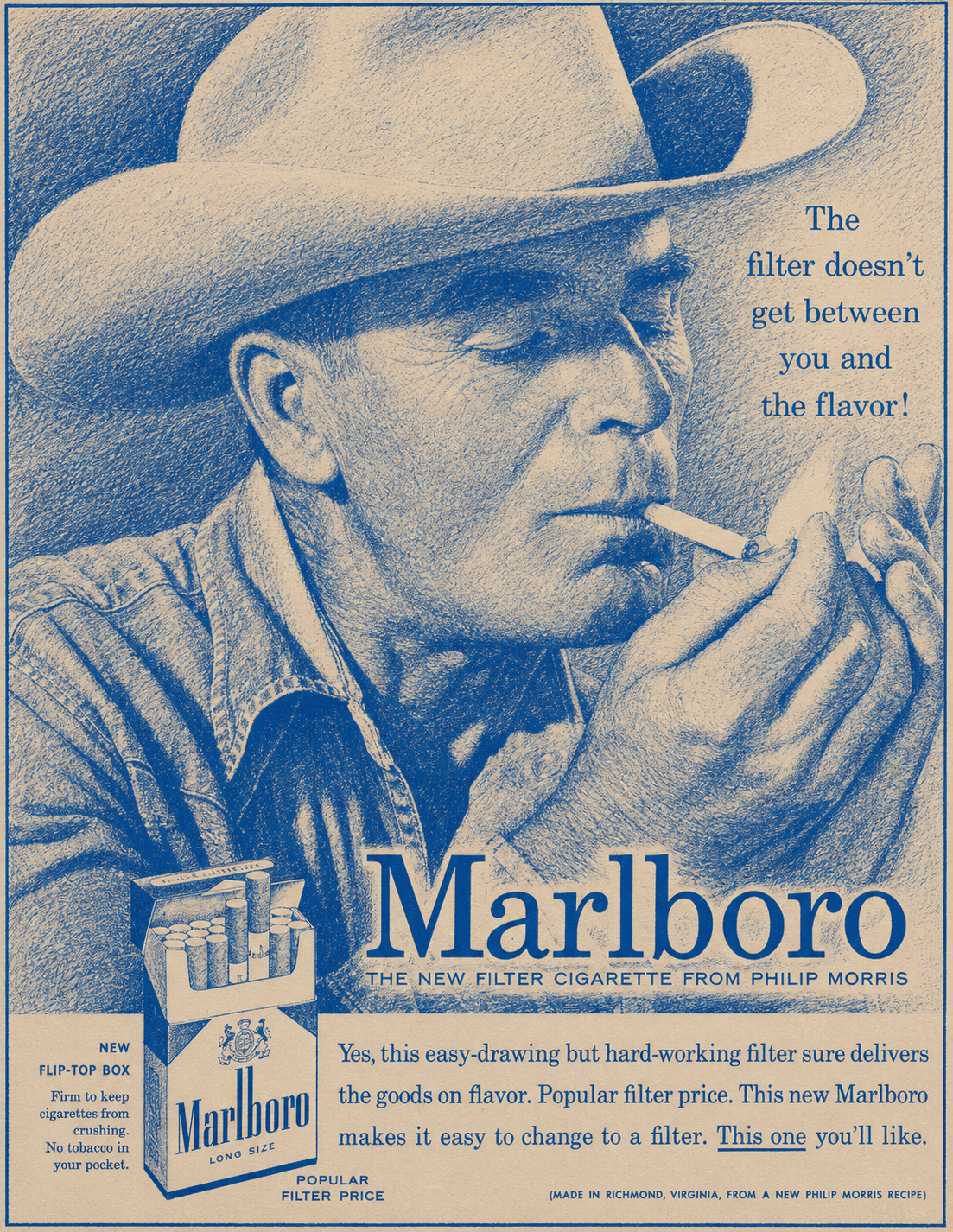
It took Marlboro from a small company to global dominance.
And it worked for almost 50 years.
That is the power of big ideas.
BIG IDEAS
It takes a big idea to attract the attention of consumers and get them to buy your product.
If make an advertisement without a big idea, it will pass like a ship in the night.
David Ogilvy said that big ideas come from the subconcious.
But they can only well up within you if your concious is well informed.
You have to do your homework, stuff your concious with information, and then unhook your mind from its rational thought process.
Big ideas come when you're going for a walk, taking a hot bath, drinking a glass of wine, or sleeping.
That's when the telephone line from your unconscious opens and a big idea can bubble up.
David Ogilvy, famous for having big ideas in advertising, told the story of how his big idea for Pepperage Farms came about.
He had made an ad for Pepperage Farms and asked his partner what she thought.
She said that it was good enough, but that it lacked imagery.
That night David Ogilvy dreamed of two white horses pulling a baker's delivery van down a country road.
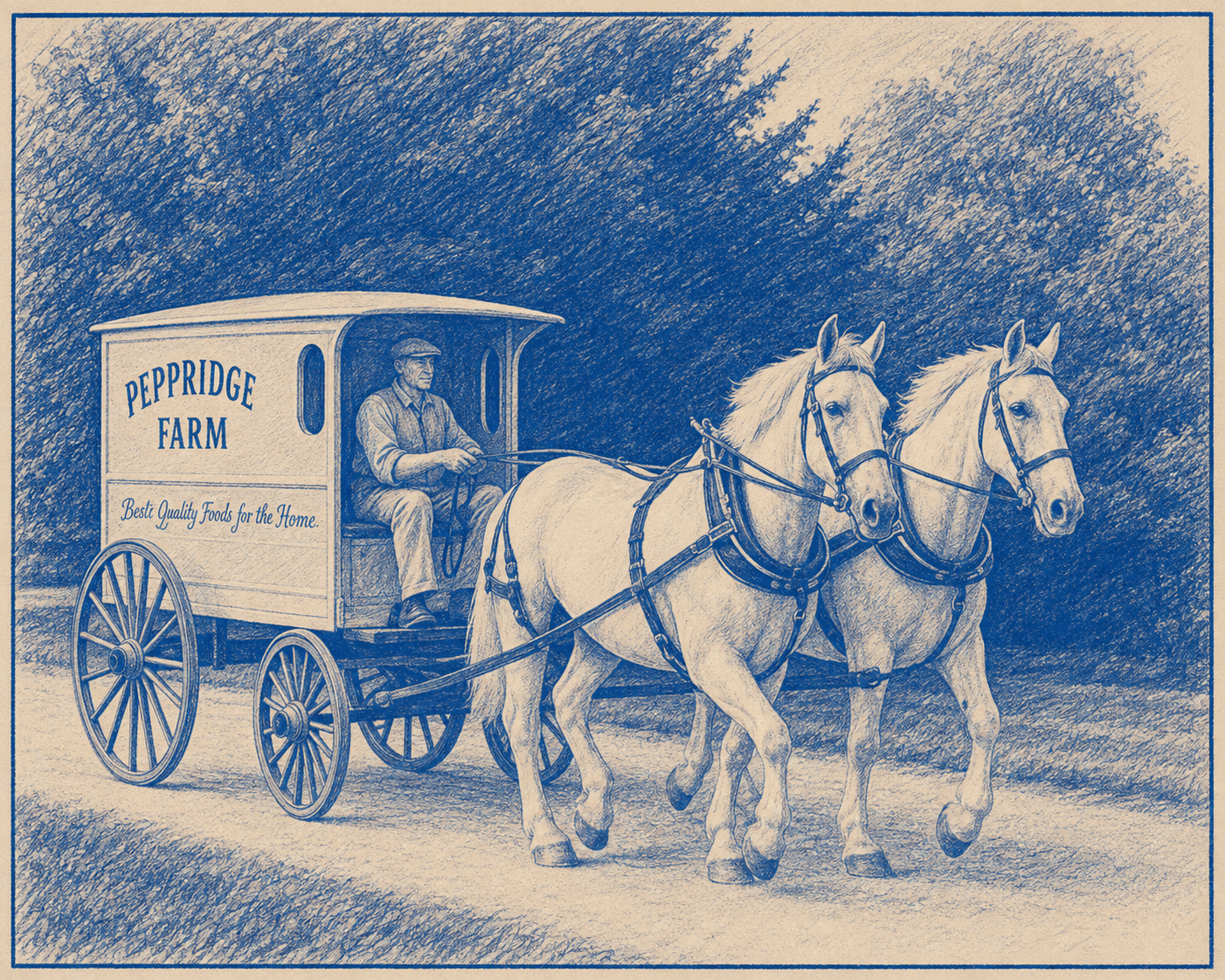
He turned that dream into an ad that ended up running for 30 years and transforming Pepperage Farms from a regional company to a national brand.
There is no way to measure the cumulative value of a big idea like that.
And good ideas are hard to spot.
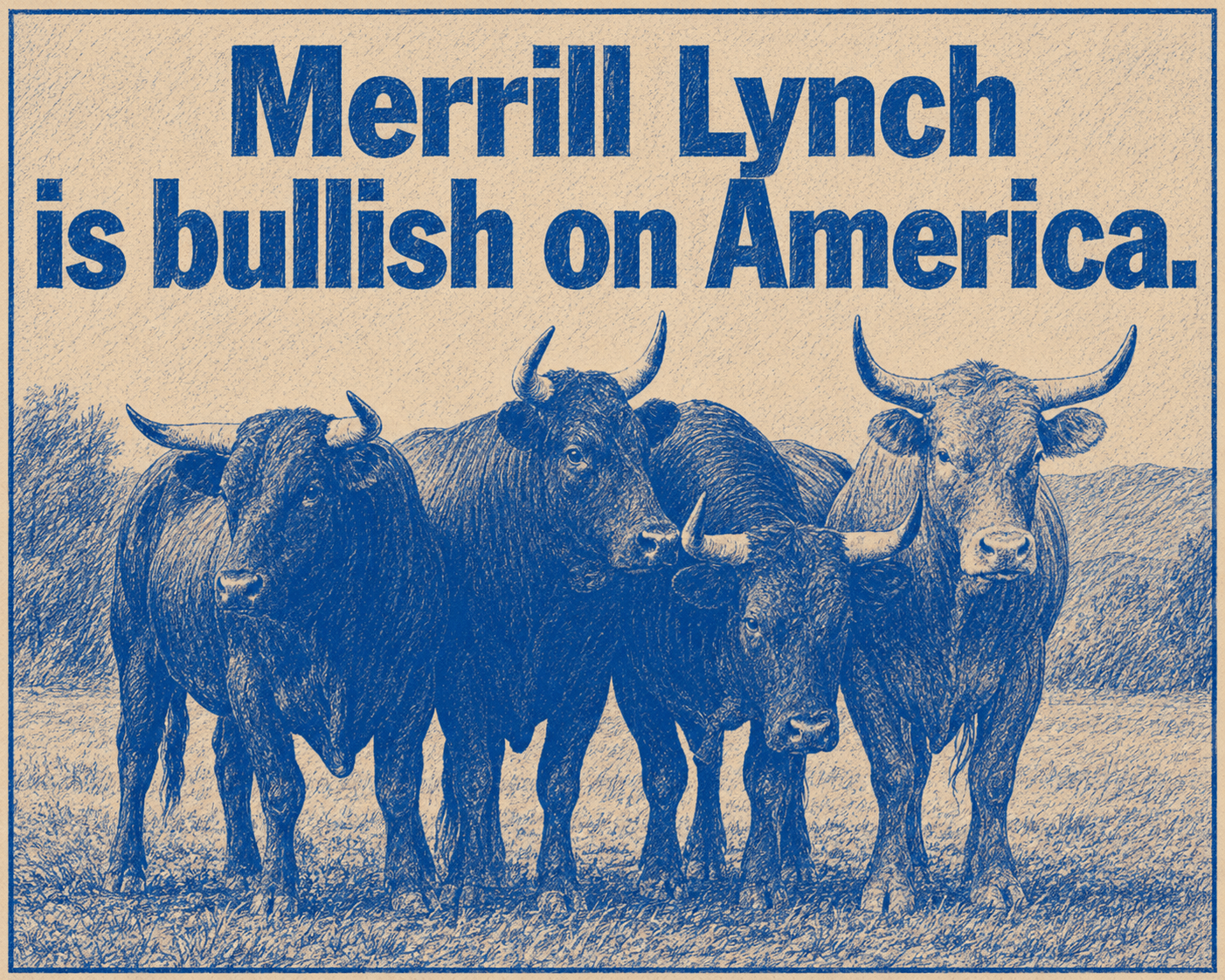
When David Ogilvy's partner showed him an add for Merril Lynch with a parade of bulls, he thought it was dopey.
But it has worked for over 50 years.
Ogilvy provides a checklist to use when considering if an idea is a BIG idea.
1. Did it make me gasp when I first saw it?
2. Do I wish I had thought of it myself.
3. Is it unique?
4. Does it fit the strategy to perfection?
5. Could it be used for 30 years?
While the impact of big ideas in advertising can be astronomical, they are hard to come by.
David Ogilvy, famed for his ideas, says he only came up with 20 big ideas in his entire career.
But if you hit on one, you can go from obscurity to a global brand in the blink of an eye.
And you can improve your email marketing in the blink of an eye by switching to PostRabbit.com.
Enjoy Stories Like This?
If you like stories about marketers like Howard Gossage and how their work and theories can make you a better marketer, sign up for our email list.
Try PostRabbit
Get better email delivery for less with campaign-based email marketing, or use our transactional email API.
Get Started